
Is Your Starlink Actually Performing as It Should?

Starlink performance in Australia typically delivers download speeds between 45 and 280 Mbps, with most users exceeding 100 Mbps, upload speeds of 10–30 Mbps, and latency of 25–60 ms on land.
Here's a quick snapshot of what to expect:
- Download speeds: 45–280 Mbps (majority above 100 Mbps)
- Upload speeds: 10–30 Mbps
- Latency: 25–60 ms (land-based users)
- Peak-hour median (US benchmark): ~200 Mbps down, 25.7 ms latency
- Best use cases: Streaming, video calls, online gaming, remote work
But raw numbers only tell part of the story.
If your Starlink isn't performing the way it used to, it's rarely a mystery. Poor mounting stability, physical wear, cable degradation, obstructions, and even your local environment all quietly chip away at signal quality over time.
For rural Australians like Rob — who depend on Starlink for both work and staying connected — even small drops in reliability caused by mount vibration can cause real problems.
This guide walks you through what actually affects long-term Starlink performance, and how SpaceTek’s high-stability infrastructure keeps your setup running at its best for years to come.
Optimising Starlink Performance Through Hardware and Environment
Achieving the best Starlink performance starts with a rock-solid foundation. While the Starlink network relies on LEO satellites, your local hardware's stability is the most critical factor for a consistent connection. Every installation requires a clear, unobstructed view, but more importantly, it requires a mount that eliminates vibration and movement during satellite hand-offs.
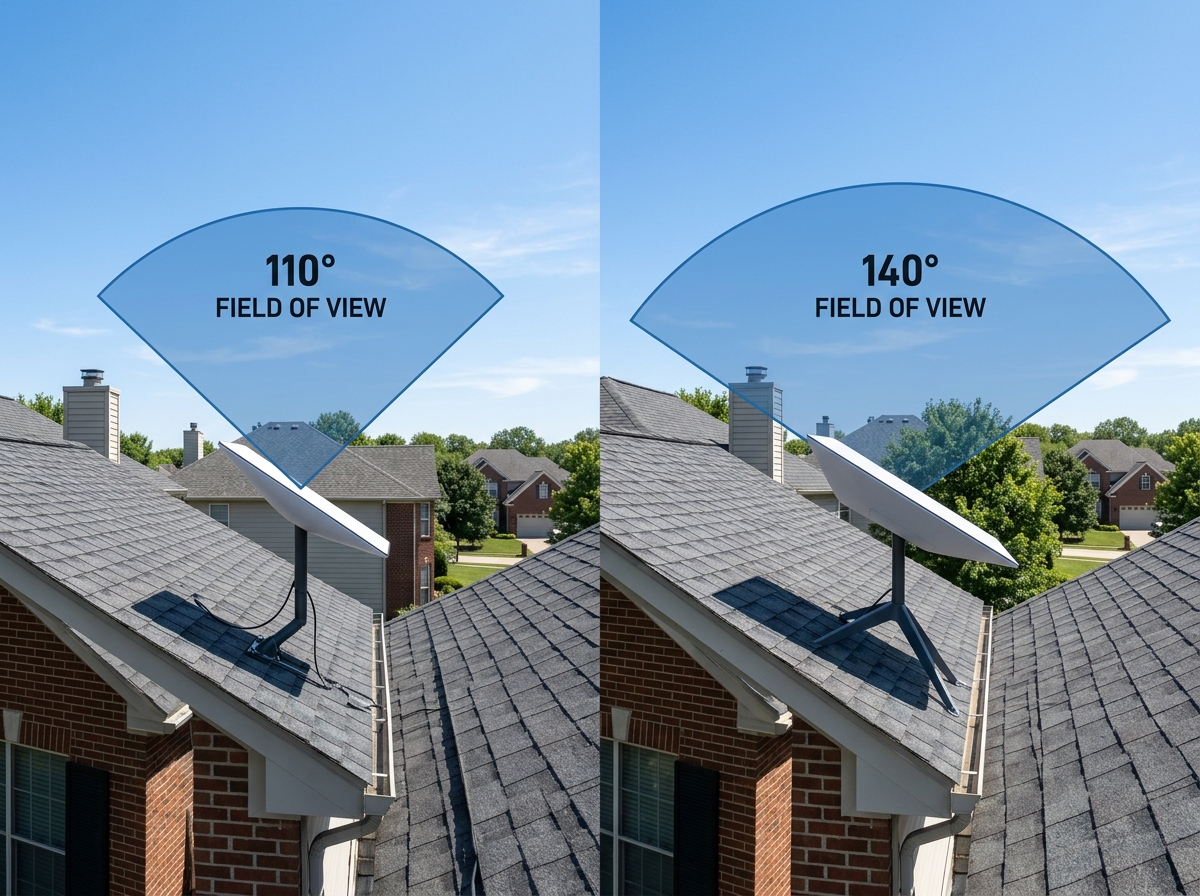
The field of view (FOV) is a critical technical specification. A standard setup typically requires a 110-degree FOV, while high-performance configurations require 140 degrees. This wider access to the sky is only beneficial if the terminal is perfectly still. SpaceTek mounts are engineered to provide this absolute rigidity, which is particularly vital for maritime users dealing with vessel roll or mobile users in 4WDs navigating uneven terrain.
Recent Starlink network updates show that median peak-hour download speeds have risen significantly. However, Ookla data on speed trends suggests that local factors remain the biggest hurdle. Signal obstructions and, crucially, mount instability can cause micro-dropouts. If you find your speeds are dipping, you can troubleshoot your Starlink internet problems easily by first verifying the rigidity of your installation and addressing starlink poor performance through SpaceTek’s precision mounting solutions.
Maximising Performance with SpaceTek Infrastructure
Not all mounting solutions are created equal. While the hardware itself provides the connection, SpaceTek infrastructure provides the reliability. Our range of Australian-made mounts is engineered to support the full spectrum of terminal designs, from residential setups to mission-critical high-performance units.
- SpaceTek Roof Mounts: Designed for maximum stability, these mounts ensure that even in high winds, your terminal maintains a perfect lock on the satellite constellation.
- High-Performance Mounting Solutions: Engineered for in-motion use and harsh environments, providing the stability needed to maintain throughput in temperatures above 35°C.
- Gigabit-Ready Infrastructure: As network capacity expands, our mounts provide the stable platform necessary to handle higher throughput without signal jitter.
Latency also varies slightly, with land-based users generally seeing 25–60 ms. For the best results, we recommend implementing setup performance hacks such as using SpaceTek’s high-quality shielded cabling and ensuring the dish is mounted at the highest possible point using a SpaceTek telescopic pole to clear local obstructions.
Environmental Impact on Starlink Performance in Australia
Australia presents some of the harshest operating conditions on Earth. From the relentless UV exposure of the Outback to salt spray along the coast, your hardware is under constant attack. SpaceTek accessories are designed to withstand these extremes.
While standard hardware carries an IP67 rating, SpaceTek’s protective solutions and rugged mounts ensure these ratings aren't compromised by physical stress. In colder regions, our mounts provide the necessary clearance for efficient snow melt, ensuring the signal isn't blocked by ice buildup.
Operating temperatures can be extreme in the Australian summer. SpaceTek’s mounting designs promote natural airflow, helping to maintain optimal download speeds in high-heat scenarios. We’ve seen that Starlink works during bad weather, but long-term exposure requires the rust-resistant, heavy-duty infrastructure that SpaceTek provides.
Power Consumption and Infrastructure Stability
Stability isn't just about the signal; it's about the power. For 4WD enthusiasts and off-grid dwellers, running your setup on DC power is the most efficient method. Our StarPower DC solutions allow you to bypass power-hungry AC inverters, saving precious battery life. Using a SpaceTek rack-mountable power supply with smart diagnostics can help you monitor the health of your system. Understanding your Signal-to-Noise Ratio (SNR) is also vital; a poor SNR often indicates power fluctuations or mount vibration, which can lead to frequent dropouts.
Maintenance and FAQ for Long-Term Reliability
Maintaining Starlink performance over several years requires a proactive approach. While the hardware is designed for a long mission life, the Australian climate demands a rock-solid foundation.
One often overlooked aspect of performance is physical stability. Even sub-millimetre movements during the network's 15-second reconfiguration intervals can cause latency spikes. Ensuring your SpaceTek mount is perfectly rigid allows your terminal to handle these network-level changes seamlessly.
To keep your connection stable, you must conquer connection glitches by inspecting your physical setup first. Check that your cables and mounts are secure and that no movement has developed in the mounting arm.
At SpaceTek Australia, we specialise in providing the rugged, rust-resistant infrastructure needed to protect your investment. You can explore our full range of Australian-made Starlink mounts and accessories to find solutions specifically engineered for our unique climate.
Why is my Starlink slowing down after a few years?
If you notice a decline in speed, the most common culprit is physical mount instability. Over time, inferior mounts can loosen, leading to micro-vibrations that disrupt the signal.
Other factors include:
- Mount Movement: High winds can cause non-SpaceTek mounts to flex, leading to dropouts after 2 years of service.
- Obstruction growth: Trees entering the field of view.
- Cable degradation: UV damage or moisture ingress in non-shielded runs.
- Connector corrosion: Salt air affecting the physical connection points.
How to extend the lifespan of a Starlink terminal?
To get the full decade of use out of your dish, follow these expert tips:
- Use SpaceTek Rust-Resistant Mounts: Standard mounts often use low-grade steel. SpaceTek mounts are designed for the Australian coast and provide the necessary rigidity.
- Secure Positioning: Ensure the dish cannot wobble. High winds can cause micro-vibrations that stress the internal components; a SpaceTek mount eliminates this risk.
- Thermal Management: Use mounts that allow for natural airflow to help with cooling during 40°C+ days.
- Regular Inspections: Every six months, check your mount bolts and wipe the face of the dish. Check for storm-related issues after severe weather events.
What are the best accessories for consistent signal?
For the ultimate setup, consider these SpaceTek upgrades:
- SpaceTek Carbon Fibre Telescopic Poles: Lightweight, incredibly strong, and perfect for getting your dish above the roofline without sacrificing stability.
- SpaceTek IP68 Sockets: Essential for external cable runs to prevent water damage.
- SpaceTek Wedge Mounts: Ideal for 4WDs and caravans, providing a fixed 8-degree tilt that ensures stability without needing constant motor movement.
- Bypass Routers: Using a high-quality third-party router can often provide better Wi-Fi coverage. If you are having setup issues, ensuring your physical mount is stable should always be your first troubleshooting step.
FAQ – SpaceTek Starlink Support in Australia
How can SpaceTek help improve Starlink signal in Australia?
We provide custom-engineered mounts and accessories built specifically for the Australian environment. By using a SpaceTek mount, you ensure your dish has the most stable platform possible, which is the primary way to prevent signal loss due to vibration or poor positioning. Our elevated solutions also help you clear local obstructions, further boosting Starlink performance.
Why does Starlink performance drop after a few years?
Performance drops are most frequently caused by a loss of physical mount stability. In Australia, extreme weather can cause standard mounts to loosen or warp. Additionally, UV radiation can make cables brittle. Regular maintenance and using weatherproof, high-stability accessories from SpaceTek can prevent these issues.
What are the best SpaceTek accessories to protect my Starlink terminal?
Our top recommendations include our rust-resistant roof mounts, IP68-rated cable joiners, and our rugged USB-C to DC power cables. These products are designed to provide a stable, vibration-free foundation and a reliable power supply, which are essential for maintaining a strong signal for years.
Can maintenance really extend the life of my Starlink in Australia?
Absolutely. Simple tasks like ensuring your SpaceTek mount bolts are tight and checking for cable nicks can prevent permanent hardware failure. Because Australia’s conditions are so extreme, a stable foundation is the best defense against premature wear.
How do I know if it's a service outage?
You can check the Starlink app for real-time alerts. However, if the app shows "Searching" but no outage is reported, the issue is likely physical. Check your SpaceTek mount for any signs of movement and ensure your cable connections are secure. A SpaceTek mount is your best insurance against wind-related misalignment.
Conclusion
Maintaining peak Starlink performance in the long term isn't just about the satellites overhead; it's about the stability of the hardware on your roof or vehicle. By choosing high-quality, Australian-engineered SpaceTek mounting solutions and performing regular maintenance, you can protect your investment from the harsh local climate. Whether you are a grey nomad trekking across the Nullarbor or a business owner in a remote township, a stable SpaceTek mount is the foundation of a reliable connection.
Ready to secure your setup? Explore our full range of Australian-made Starlink mounts and accessories or contact our expert team today to find the perfect solution for your needs. Don't let the Australian elements compromise your connection—trust SpaceTek to keep you online, wherever you are.


Leave a comment
This site is protected by hCaptcha and the hCaptcha Privacy Policy and Terms of Service apply.