

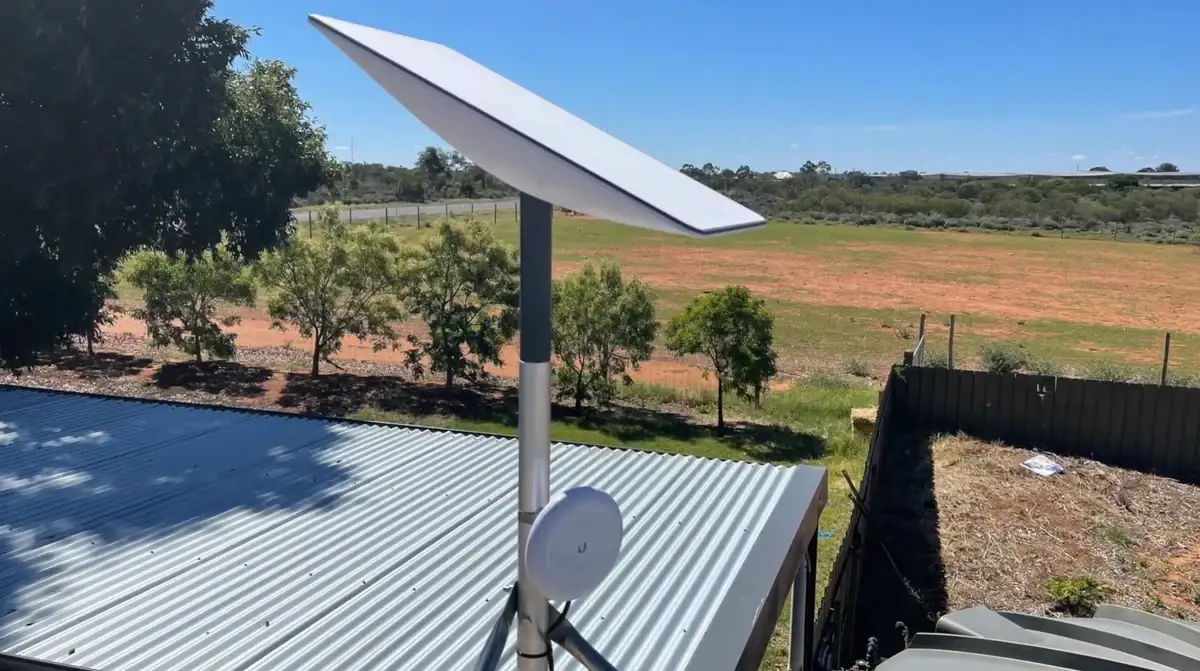
Starlink mount for roof installations are critical for achieving reliable satellite internet connectivity. The right mount ensures your dish maintains a clear view of the sky, withstands Australian weather conditions, and prevents costly water damage to your home.
Quick Answer: Top SpaceTek Starlink Mount for Roof Options
- SpaceTek Adjustable Pivot Mount: Best for slanted roofs, features rust-resistant aluminium construction.
- SpaceTek Non-Penetrating Mount: No-drill solution for ridge caps or flat surfaces, uses ballast weights for stability.
- SpaceTek Tile Roof Mount: Heavy-duty bracket designed to fit securely under concrete or terracotta tiles.
- SpaceTek Tin Roof Mount: Specifically engineered for Colorbond and corrugated iron profiles.
All SpaceTek mounts are designed for elevated installations to avoid obstructions like trees or buildings that cause service interruptions.
Understanding Your Installation Needs
Getting Starlink working in remote Australia isn't just about buying the kit. You need a mount that handles tin roofs in blazing sun, stays put during coastal winds, and doesn't rust out in two years.
The included kickstand is only meant for ground-level testing. For permanent installations, you need proper mounting hardware designed for your specific roof type and environmental conditions.
I'm Aaron Wroblewski, founder of SpaceTek Australia, and I've spent over 25 years solving connectivity challenges in remote locations, including designing rust-resistant Starlink mount for roof solutions specifically for Australian conditions. After seeing too many poorly designed satellite mounts fail in our harsh climate, I created SpaceTek to provide durable, user-friendly alternatives.
Starlink mount for roof terms made easy:
- Gen 2 vs. Gen 3: What Mount Upgraders Need to Know
- Starlink Gen 3 Accessories
- Waterproof Bulkhead RJ45 Socket Connector
Choosing the Right Starlink Mount for Roof Installations
When you're setting up Starlink in Australia, the mount you choose needs to match your specific roof type. Whether you're working with corrugated iron on a Queensland farmhouse or concrete tiles in suburban Melbourne, each material demands its own approach to maintain both structural integrity and weatherproofing.
Here's what makes Australian installations different: our harsh UV levels and coastal salt air will absolutely destroy standard mild steel mounts within months. I've seen mounts rust through completely in less than a year near the coast. That's why we only work with rust-resistant materials like aluminium and stainless steel at SpaceTek.
Before you buy any mount, you need to do two things. First, measure your roof's pitch with a level and tape measure. Second, locate your structural beams—you absolutely must anchor into these, not just the roof sheeting. Missing the beams means your dish will shake in the wind, causing constant dropouts.
Common Australian roof materials include corrugated iron (Colorbond), concrete or terracotta tiles, shingles, and Trimdek or Klip-Lok profiles. Each one requires different drilling techniques and sealant approaches.
Understanding why investing in a proper roof mount kit matters comes down to physics. A roof mount gives you the highest vantage point, which means fewer obstructions between your dish and the satellites moving across the sky. That clear line of sight is everything for maintaining stable speeds.
SpaceTek Starlink Mount for Roof Options
SpaceTek's mounting solutions cover all Australian installation scenarios, engineered specifically for our unique climate. Our Adjustable Pivot Mount handles slanted surfaces brilliantly, while our Non-Penetrating Mount gives you a no-drill option that won't void any rental agreements or damage roof membranes.
Our Universal Pipe Adapter is incredibly useful. If you've got an old TV antenna mast or satellite dish pole already installed, you can simply attach your Starlink dish to that existing structure using our high-strength adapter. This saves time, money, and additional roof penetrations. Just make sure the pole is sturdy enough—Starlink dishes catch more wind than you'd think.
For technical specifications and torque requirements, check out our guide on Starlink mounting hardware. We focus on mechanical limits and load ratings that exceed standard requirements.
Best Starlink Mount for Roof on Slanted Surfaces
The SpaceTek Adjustable Pivot Mount was specifically engineered for slanted roofs. Its swivelling mechanism lets you fine-tune the angle so your mast stays perfectly vertical, even on steep pitches. This matters because the Starlink Performance dishes need that precise angle on horizontal surfaces to prevent water pooling.
You'll need a drill and hex socket for installation. Our kits include high-grade fasteners designed to seal against weather. But here's where many DIYers go wrong—if you don't hit a structural beam, your mount will vibrate in high winds. That vibration translates directly to signal drops and frustrating buffering.
Our article on whether roof brackets are friend or foe covers proper installation techniques that prevent leaks and maintain structural integrity. When installed correctly into beams with proper sealant, SpaceTek mounts are completely safe and reliable.
No-Drill Solutions: The SpaceTek Non-Penetrating Mount
Renting your home? The SpaceTek Non-Penetrating Mount might be your best friend. This Starlink mount for roof installations sits across your ridge cap or flat surface and uses heavy ballast weights to stay firmly in place without a single screw.
This mount handles high winds and works with metal or shingled roofs. The beauty of this mount is you get proper elevation without any roof penetrations. Your dish sits high enough to clear most obstructions while your roof warranty stays intact.
When you're weighing up roof versus pole mounts, the SpaceTek non-penetrating range offers that sweet spot between elevation and reversibility. It's perfect for temporary installations or situations where drilling simply isn't an option.
Installation Safety and Weatherproofing Best Practices
Safety is our number one priority. Working on a roof carries inherent risks, and we always suggest hiring a professional if you aren't comfortable with heights. If you are going the DIY route, ensure you have a buddy system and proper fall protection.
Weatherproofing is the second most critical factor. Any hole you drill is a potential leak. We use high-quality silicone sealant and mastic tape to create a water-tight barrier. When mounting on tiles, the process is slightly different; you often need to navigate under the tile to secure the bracket to the rafter. You can learn how-to-install-a-starlink-tile-roof-mount-safely to avoid common mistakes like cracked tiles or internal water damage.
Tools and Materials for a Secure Setup
To get the job done right, you need the correct kit. A standard installation usually requires:
- A cordless drill or impact driver
- 6 mm and 4 mm drill bits
- A 9/16 in hex socket
- A level to ensure the mast is plumb
- High-quality silicone sealant
We've found through mounting-starlink-on-tile-tin-and-corrugated-roofs-a-field-test that using the right cable routing clips is just as important as the mount itself. If the cable is allowed to flap in the wind, it will eventually chafe and fail.
Generation Specifics: Mini, Gen 2, and Gen 3
Starlink hardware has evolved, and so have the mounts. SpaceTek provides specialized mounting solutions for the Starlink Mini, including custom adapters for various pole sizes. Similarly, the newer Gen 3 (V4) Standard kit has a different form factor and requires a specific gen-3-v4-mount designed by SpaceTek.
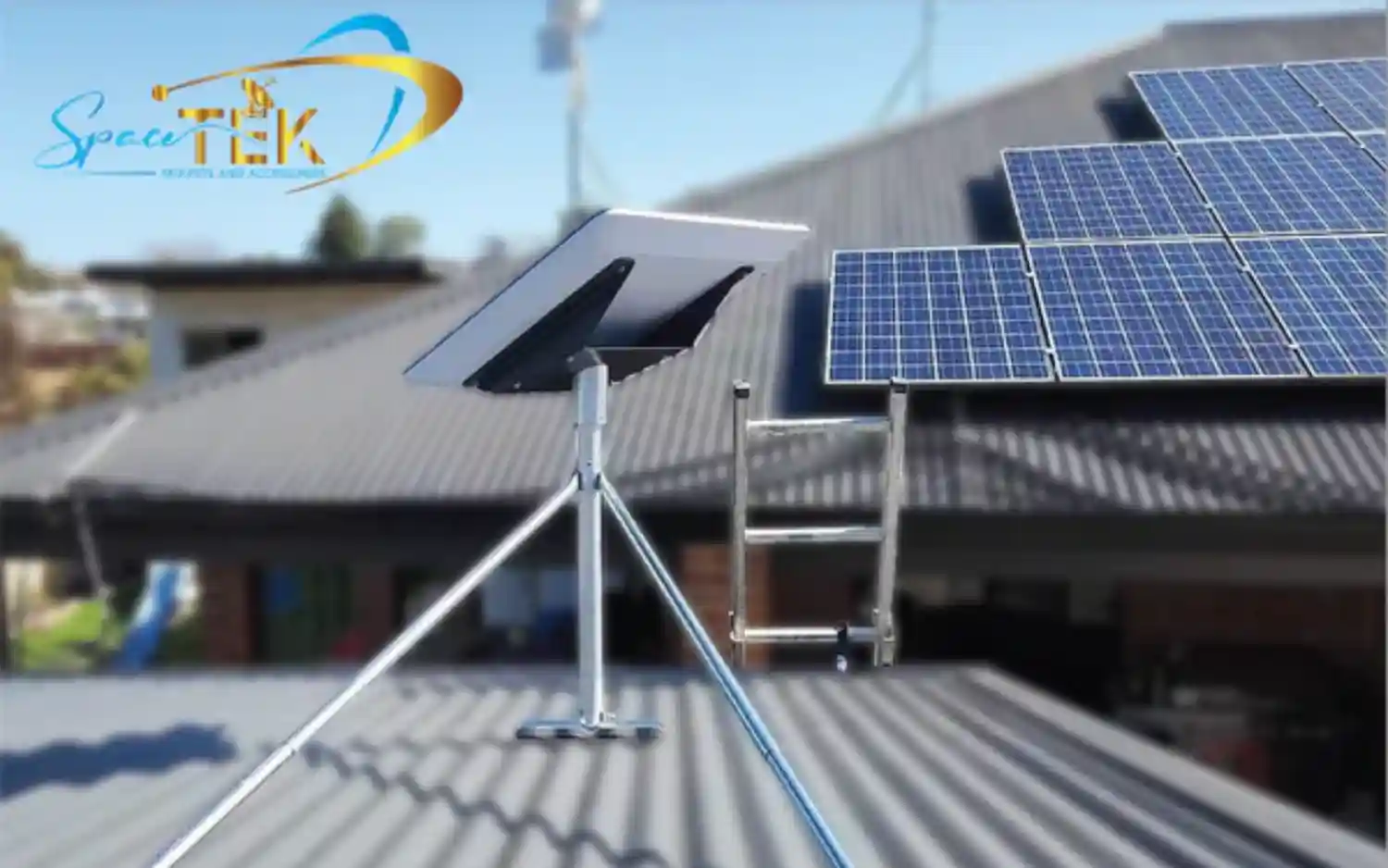
If you are upgrading, it is crucial to understand the gen-2-vs-gen-3-what-mount-upgraders-need-to-know. SpaceTek offers adapters to bridge the gap, ensuring your existing setup can support the latest hardware.
Conclusion and Expert Recommendations
Installing a Starlink mount for roof use is the best way to ensure your high-speed internet stays high-speed. By choosing a permanent, elevated location, you eliminate the obstructions that cause frustrating dropouts.
At SpaceTek Australia, we specialise in mounts built for the Australian environment. Whether you need a solution for a corrugated tin roof or a complex tile setup, our rust-resistant aluminium and carbon fibre designs provide the reliability you need. A secure installation today prevents a "No Signal" message tomorrow.
If you have questions about which mount is right for your home or need advice on a custom setup, please contact us for expert assistance. We are here to help you stay connected, no matter how far off the beaten track you are.


Leave a comment
This site is protected by hCaptcha and the hCaptcha Privacy Policy and Terms of Service apply.