
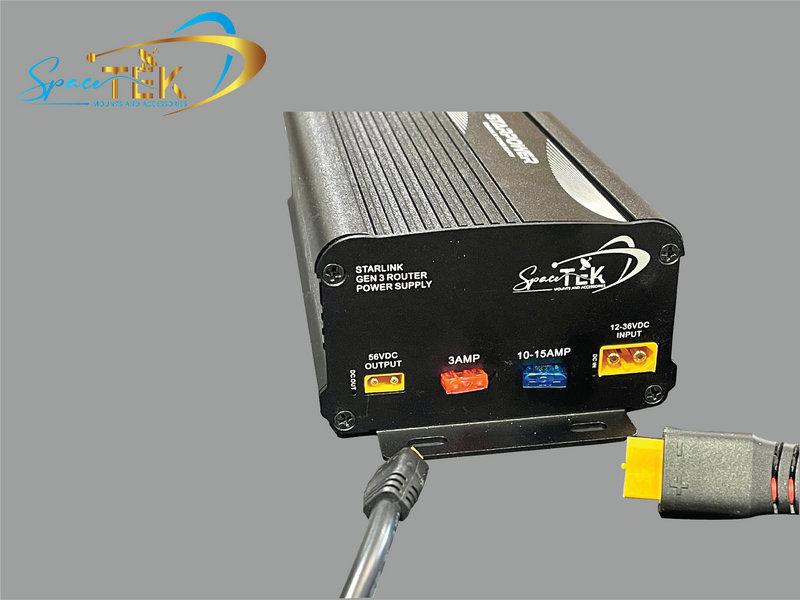
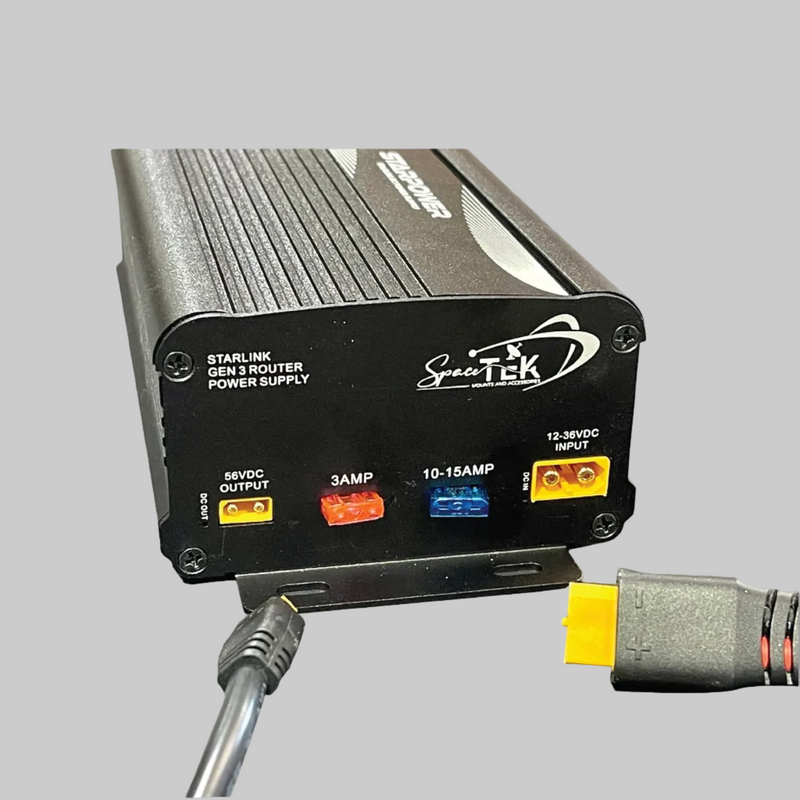
Starlink power supply lights indicate your hardware's operational status: a solid white light means a successful internet connection, a blinking white light signals the dish is searching for satellites, a red light denotes no internet connection, and no light shows that the router or power supply is receiving no electrical power.
Hi, I'm Andrew Ziogas, managing director at SpaceTek Australia. With years of hands-on experience designing robust mounting hardware and diagnosing hardware setups across regional and remote Australia, I understand how critical it is to interpret power supply indicators quickly when keeping your satellite connection online.
Here is a quick summary of what these lights mean:
- Solid White Light: Indicates a good connection to the internet.
- Blinking White Light: Means the system is trying to connect, usually when searching for satellites.
- Red Light: Shows that the Starlink is not connected to the internet.
- No Light: Suggests no power to the router; check the outlet and connections.
Starlink has emerged as a game-changer in satellite internet, particularly for those living in remote and regional Australia. With its network of low Earth orbit satellites, Starlink offers high-speed internet access where traditional options fall short. Understanding the power supply lights acts as your primary diagnostic tool, offering immediate insight into connection health and saving valuable troubleshooting time.
Below, we break down what each light indicates, how to troubleshoot common issues step by step, and how to optimise your Starlink setup for November 2026 and beyond.

Understanding Starlink Power Supply Lights
Starlink power supply lights are your first line of defence in diagnosing connectivity issues. These lights reveal the operational state of your dish and router:
Solid White Light
A solid white light indicates that your system is connected to the internet and operating normally. On some router versions, this indicator light may automatically dim or turn off after an hour of stable operation to conserve power, which is normal behaviour.
Blinking White Light
A blinking white light means your Starlink system is actively attempting to establish a connection with satellites. This occurs during initial boot-up or after a temporary signal interruption. If blinking continues for more than 20 minutes, inspect your installation for physical obstructions or alignment issues.
Red Light
A red light signals that your Starlink hardware is powered but cannot establish an internet connection. Common causes include line-of-sight obstructions, severe weather degradation, or physical cabling faults between the power supply, router, and dish.
No Light
When there is no light, your power supply or router is not receiving electrical power. This typically points to an unplugged cable, a tripped circuit, an outlet fault, or an issue with the power supply hardware itself.

Understanding these starlink power supply lights helps you quickly isolate faults and restore internet service across regional and remote setups.
Troubleshooting Starlink Power Supply Issues
When your Starlink power supply lights indicate a problem, follow these sequential steps to resolve unreachable routers, connection dropouts, and cable issues.
Unreachable Router
If your Starlink router cannot be reached via the network or mobile app, complete these steps in order:
- Check your router placement to verify it is not blocked by heavy masonry or metal shielding.
- Verify that your device is actively connected to the correct Starlink Wi-Fi network SSID.
- Disconnect the power cable from the wall outlet, wait 10 seconds, and plug it back in to perform a clean reboot.
No Internet Connection
If the power supply or router shows a red light, execute this sequential diagnostic process:
- Open the Starlink app and run the obstruction tool to verify an unobstructed view of the sky.
- Inspect regional weather conditions, allowing severe storm cells to pass if signal attenuation is occurring.
- Power-cycle the system and check all connection points for secure physical seating.
Cable Connection Issues
Faulty or loose cabling can mimic severe hardware failure. Follow these steps to diagnose cable problems:
- Inspect all cable runs for visible cuts, pinches, or weathering damage, replacing damaged runs immediately.
- Reseat all connector plugs firmly into the dish, power supply, and router ports.
- Secure the cables using dedicated management channels to prevent wind whipping and terminal strain.
How to Improve Your Starlink Setup in 2026
Getting optimal speeds and uninterrupted uptime in November 2026 requires sturdy physical installation and clean cable protection.
Dish Placement: Maximise Your Signal
The Challenge: Satellite signal degradation occurs when surrounding foliage, structures, or rooflines partially block the dish's view.
Why It Matters: Starlink relies on low Earth orbit satellites moving rapidly across the sky. Even minor obstructions cause packet loss and dropped connections.
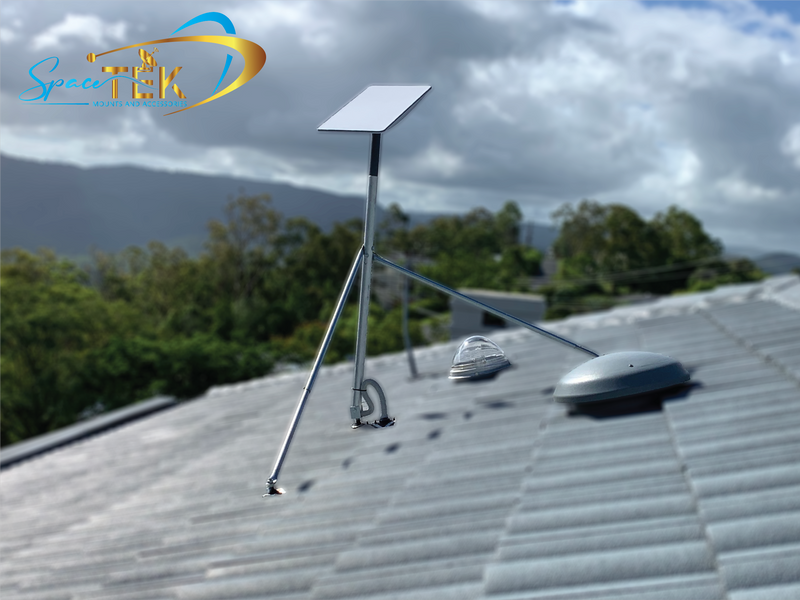
The Solution: Elevate the dish above rooflines using dedicated Starlink mounts. SpaceTek manufactures dish mounts from precision-machined and folded aluminium to provide an unobstructed vantage point and enduring structural stability.
Mount Stability: Secure Your Connection
The Challenge: High winds can shift poorly secured hardware, causing misalignment and intermittent signal loss.
Why It Matters: Heavy wind gusts cause micro-movements in standard hardware, leading to tracking errors and dropped video calls or streams.
The Solution: Use corrosion-resistant Starlink mounts engineered specifically for severe outdoor environments. Folded aluminium and reinforced composite dish mounts hold the dish firmly in alignment through harsh weather.
Cable Management: Protect Your Connection
The Challenge: Exposed cables deteriorate when exposed to UV radiation, moisture, and high winds.
Why It Matters: Damaged outer jackets cause short circuits, power supply faults, and data degradation.
The Solution: Route all wiring through protective conduit and secure runs with heavy-duty fasteners, reducing wear and tear on vital connectors.
Starlink in Australia: Optimising for Remote Areas
Australia's expansive terrain presents unique environmental challenges for satellite broadband. Deploying Starlink across regional areas requires hardware tailored to extreme climates.
Reaching Remote Communities
Regional homes, pastoral stations, and coastal properties depend on low Earth orbit satellite connectivity where terrestrial infrastructure is absent. Ensuring continuous connectivity demands hardware capable of withstanding intense UV exposure, corrosive coastal air, and cyclonic wind gusts.
SpaceTek Australia supports remote installations with precision-machined aluminium Starlink mounts engineered for harsh Australian conditions.
Custom Solutions for Challenging Conditions
Extreme heat, heavy rain, and dust storms can degrade standard satellite installations. Reliable remote installations rely on specific design features:
- Weatherproof Dish Mounts: Folded aluminium construction prevents rust and maintains rigid dish alignment during severe storms.
- Cable Protection: Sealed routing eliminates connector strain and prevents environmental degradation.
- Corrosion Resistance: Marine-grade finishes withstand high salinity in coastal regions.
These durable installations ensure fast, low-latency broadband remains consistent across outback and regional locations.
Frequently Asked Questions about Starlink Power Supply Lights
What does a solid white light indicate?
A solid white light confirms that your Starlink power supply and router are operating correctly and maintaining an active internet connection.
In remote Australian installations, this light confirms that the dish has successfully registered with the satellite constellation and that local network routing is active.
Why is my Starlink power supply light blinking white?
A blinking white light indicates that the hardware is powered and actively scanning the sky to acquire a satellite lock.
This occurs during system startup or after service disruptions. If blinking continues past 20 minutes, check for physical sky obstructions using the Starlink app.
What should I do if there is no light on my power supply?
If the power indicator remains completely dark, troubleshoot the power delivery in this sequence:
- Check that the AC power lead is firmly seated in both the wall socket and the power supply.
- Test the wall outlet with another appliance to verify mains electricity is active.
- Inspect the power cable for physical damage, kinking, or moisture ingress.
- Reset the power supply by unplugging it for 30 seconds before reconnecting.
Conclusion
Maintaining a stable connection across regional and remote Australia requires both an understanding of your Starlink power supply lights and durable, weather-resistant hardware.
SpaceTek Australia manufactures heavy-duty dish mounts and installation accessories built from folded aluminium and reinforced composite materials designed to withstand rugged Australian environments. Our precision-engineered Starlink mounts keep your dish securely aligned through extreme weather.
Explore our range of Starlink accessories to secure your satellite setup for reliable, high-speed performance through November 2026 and beyond.
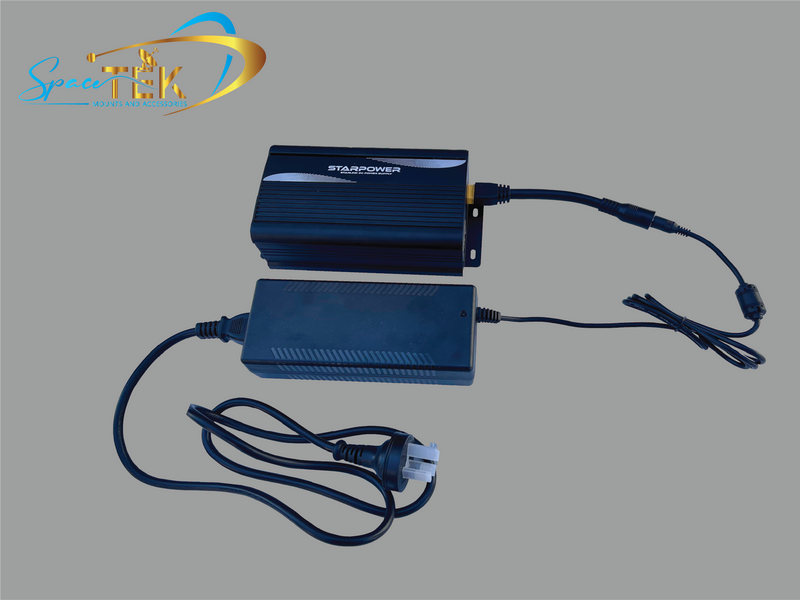

Leave a comment
This site is protected by hCaptcha and the hCaptcha Privacy Policy and Terms of Service apply.