
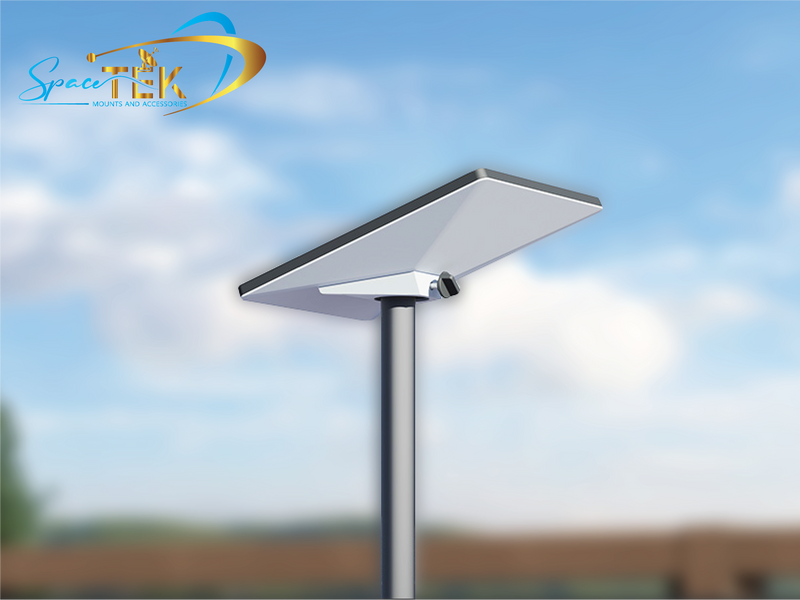
How should you mount a Starlink Mini on an RV roof?

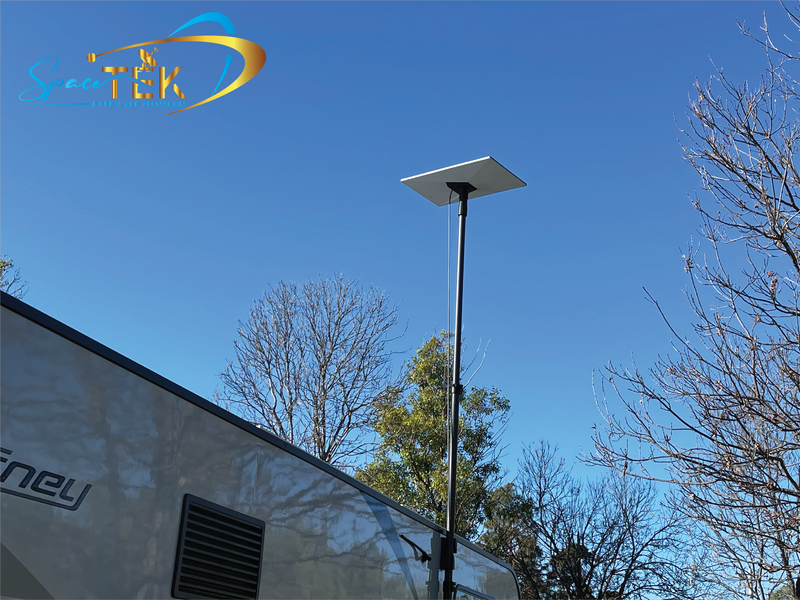
To mount a Starlink Mini on an RV roof, install a dedicated dish mount in an elevated location clear of major roof fixtures, choose a compatible power supply and have vehicle wiring assessed by a qualified auto electrician, and check for an unobstructed sky view using the Starlink app. This helps maintain stable satellite connectivity while keeping the dish securely retained during transit when installed according to manufacturer specifications.
Updated for October 2026, this guide covers removable and semi-permanent options, safe cable routing considerations, and pre-travel checks. A rooftop location simplifies campsite setup, but careful layout planning is required to minimise potential signal interruptions.
Key considerations for your starlink mini rv roof mount setup include:
- Maintaining a clear line-of-sight across a wide satellite field of view
- Choosing durable mounting hardware matched to caravan roof construction
- Ensuring secure, weatherproof cable protection and safe electrical connections
How Do You Choose the Best Starlink Mini RV Roof Mount Location?
Finding a suitable position on your caravan or motorhome roof requires balancing physical clearances with line-of-sight. Satellite constellations move across low-Earth orbit, meaning your terminal benefits from an open overhead view across a wide field of view to help maintain persistent data connections.
When mapping out your rooftop layout, keep these site selection factors in mind:
- High-profile rooftop air conditioners that can cast physical shadows across the antenna
- Solar panel frames and perimeter roof racks that may clip low-elevation satellite signals
- TV antennas, radio aerials, and satellite domes that can cause signal attenuation
- Safe access points where inspecting or maintaining the dish mount does not present a fall hazard
Before fixing hardware permanently, use the camera-based obstruction tool inside the mobile app to scan the overhead view from the intended installation point to confirm your layout avoids prominent rooftop obstacles.
What Are the Key Considerations for a Permanent Starlink Mini RV Roof Mount?
Permanent installations allow quick access to connectivity upon arriving at camp. However, securing hardware to an RV roof requires careful attention to physical loads and environmental exposure.
Key factors to account for include:
- Total vehicle clearance height, ensuring the dish mount conforms to bridge and garage limits
- Resistance to aerodynamic forces and environmental hazards along touring routes
- Road vibration and chassis flex requiring robust, fatigue-resistant aluminium or reinforced composite hardware
- Appropriate sealing around any penetrations following RV manufacturer guidelines to maintain weather resistance
For additional practical advice on hardware selection, explore our practical mounting guide for Starlink Mini to support your off-grid setup.
How Does Roof Mounting Compare to Ground Deployment for Speed and Obstructions?
Mounting your dish on the RV roof keeps hardware clear of ground-level foot traffic and low perimeter obstacles, while streamlining setup at camp.
However, a fixed roof mount means parking your RV under dense tree shade places the terminal under the same canopy, which can lead to connection dropouts. Ground deployment lets you place the dish in an open clearing using an appropriate extension cable while keeping your vehicle parked in the shade. Quick-release mounting options offer the flexibility to switch methods when conditions require.
What Are the Best Mounting Systems for Caravans and Motorhomes?
Caravan and motorhome roofs come in various materials, from steel-sheeted campervans to fibreglass, aluminium, and composite caravan panels. Choosing appropriate dish mounts helps provide reliable mechanical support suited to your specific roof structure.

Options include removable magnetic mounts, Mini-specific pipe or flat-surface adapters, and fixed vehicle mounts. Materials and attachment methods differ by product; confirm the exact model and vehicle fit before purchase.
Take a look at our complete range of versatile RV and caravan Starlink mounts to find an exact structural match for your rig.
Which No-Drill Starlink Mini RV Roof Mount Options Work Best?
If you prefer not to drill holes into your RV roof, high-strength magnetic systems provide a non-invasive mounting solution for vehicles with suitable steel roofs or integrated metal plates.
Key features of no-drill magnetic hardware:
- Zero roof penetrations, helping eliminate potential water leak pathways
- Straightforward relocation across compatible steel surfaces to adapt to local overhead cover
- Simple removal when storing the vehicle or packing up ahead of severe weather
For compatible steel surfaces, our robust magnetic roof mount for Starlink Mini utilises heavy-duty rubber-coated rare-earth magnets designed to assist with surface protection on clean panels when used in accordance with manufacturer guidelines.
How Do Flat and Mobility Mounts Compare?
Depending on your touring setup and vehicle profile, selecting between flat and mobile mounting options dictates ease of deployment.
| Mount Category | Attachment Type | Body Material | Best Suited Application |
|---|---|---|---|
| 65 mm Magnetic Mount | Earth magnets with rubber feet | Powder-coated carbon steel | Clean, flat, suitable ferrous surfaces; temporary use with controlled conditions |
| Flat Roof Mount | Product- and vehicle-specific fixing system | Varies by product | Permanent installations assessed for the particular roof |
| Mini Universal Mount | Pipe or flat-surface attachment | ASA/ABS | Mini only; confirm surface, fasteners and intended use with the instructions |
If your setup calls for an adaptable solution across various touring configurations, the universal pipe and flat mobility mount delivers versatile mounting options for roof racks, crossbars, or flat surfaces using high-durability composites. The 65 mm magnetic mount depends on a suitable ferrous surface: aluminium, fibreglass and plastic will not hold its magnets. Holding strength varies with contact, surface condition, wind, vibration and movement. A magnetic attachment alone is not evidence of suitability for driving; check the specific product guidance and remove it when conditions are unsafe.
How Do You Power the Starlink Mini on an RV DC System?
Starlink Mini accepts compatible DC power, but the cable, connector and supply must meet the terminal’s requirements. Starlink specifies a 12–48V DC, 60W input rating and only guarantees performance with its included supply and cable. Check the official supported power sources before choosing an alternative.
A suitable DC setup can avoid converting battery power to AC and back to DC. Actual efficiency depends on the equipment and installation. Do not assume a StarPower unit for another Starlink generation is compatible with Mini. Router bypass is a separate networking configuration, not something a power adapter provides automatically.
For fixed vehicle wiring, use a qualified auto electrician to select the cable size, circuit protection and connections for your particular supply and cable run. Follow Starlink and vehicle manufacturer guidance instead of generic wiring instructions.
What Common Installation Pitfalls Should You Avoid on an RV Roof?
Rooftop environments subject cabling and Starlink mounts to sun exposure, highway wind forces, and continuous road vibration. Taking proper installation precautions and consulting a qualified caravan technician helps prevent premature cable wear, fall hazards, and vehicle leaks.
Key installation pitfalls to avoid:
- Leaving loose cabling unsecured, which can cause mechanical chafe against roof panels
- Routing wiring over sharp metal corners without protective conduit or rubber grommets
- Applying unapproved sealants that may degrade vehicle roofing membranes or aluminium panels
- Placing dish mounts directly adjacent to high-heat exhaust points or noisy electrical equipment
- Attempting hazardous roof modifications without professional guidance or proper safety equipment
How Should You Approach Routine Dish Deployment and Stowage?
When managing rooftop equipment, always prioritise personal safety, follow manufacturer instructions, and consult a qualified installer:
- Defer rooftop servicing and structural mounting work to qualified professionals to avoid fall hazards
- Follow the equipment manufacturer’s shutdown and disconnection procedure before handling connected cables
- Follow manufacturer instructions when engaging or releasing approved quick-release retention mechanisms
- Keep external cable connectors protected with weatherproof dust caps when disconnected
- Adhere to official manufacturer guidance regarding transit stowage, wind limits, and vehicle clearance requirements
Frequently Asked Questions About Starlink Mini RV Roof Mounts
Can I Leave the Starlink Mini Mounted on the Roof While Driving?
Whether you can leave the dish mounted during transit depends on the specific dish mount design, proper mechanical fastening, local road regulations, and vehicle clearance. Ensure your mount is securely fastened, check overhead clearances for trees and low structures, and adhere to manufacturer recommendations regarding in-motion transit.
Does the Starlink Mini Require an Inverter in an RV?
Not necessarily. Starlink Mini supports suitable DC power sources, but the supply, connector and cable must meet its specifications. A compatible DC setup can avoid an inverter conversion step. That does not guarantee a particular power saving, and router bypass is a separate networking setting.
How Do You Prevent Water Leaks When Routing Cables Through the Roof?
Have a qualified caravan installer select a cable-entry system and sealant approved for your specific roof construction. Follow the RV and equipment manufacturers’ instructions; do not assume a generic sealant or drilling method is suitable for every roof.
Conclusion
A suitable roof mount can make setting up Starlink Mini at camp more convenient. Connection quality still depends on obstructions, power, coverage and your service plan; a mount cannot guarantee reception or uninterrupted connectivity.
SpaceTek Australia offers several mounting designs and materials. Check the specifications and operating limits of the exact product you choose. Whether you need a quick-release magnetic setup or a permanent low-profile solution, explore our complete selection of heavy-duty Starlink mounts to find the perfect mounting setup for your next adventure.

Leave a comment
This site is protected by hCaptcha and the hCaptcha Privacy Policy and Terms of Service apply.