
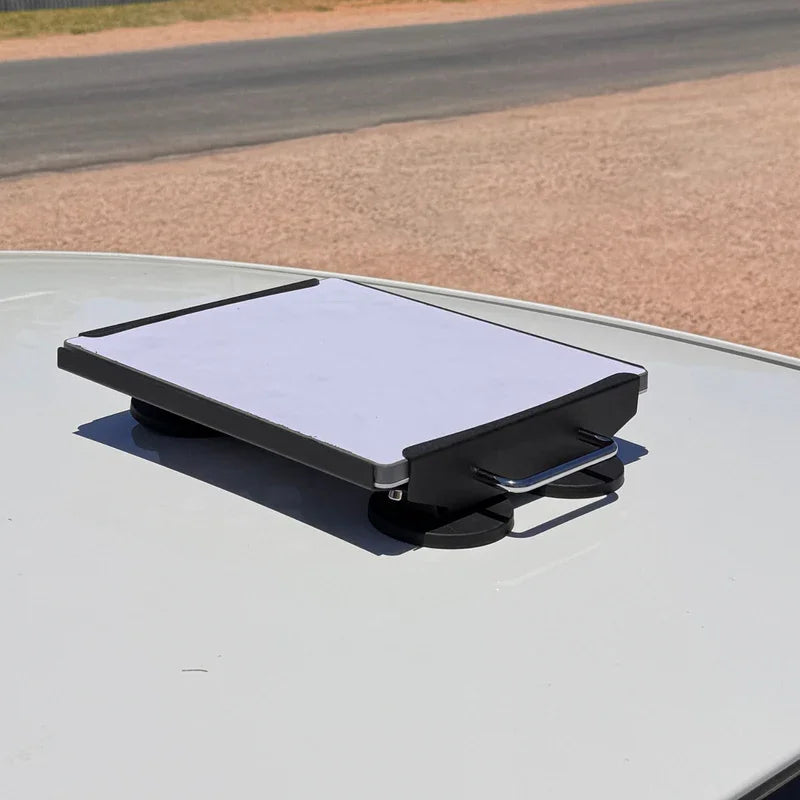
Choosing a UV- and rust-resistant dish mount comes down to material, coating and drainage. If your setup faces harsh sun, wet weather or salt air, the right design will last longer and need less fuss.
Key Takeaways
- Choose a powder-coated aluminium or stainless steel dish mount that suits the conditions where you travel or install.
- Look for drainage paths and sealed fastening points so water does not sit around hardware.
- Pair dissimilar metals with isolators or non-reactive washers to help prevent galvanic corrosion.
- For vehicle setups, use a mount designed to handle vibration, road grime and regular pack-downs.
- Explore SpaceTek's Starlink Mini collection for Australian-designed mounts and power accessories built for mobile and fixed setups.
For Australian conditions, focus on a dish mount with a durable finish, clean drainage and hardware that will not trap moisture. Those basics make a real difference on rooftops, caravans and touring vehicles.
What Are the Most Durable Materials for Extreme Sun and Humidity?
The base material matters just as much as the finish. Choose one that suits the weather your setup will face, whether that is coastal salt, intense summer sun or dusty touring tracks:
- Marine-Grade Aluminium: A lightweight choice for salty or damp conditions because it forms a protective oxide layer.
- 304 or 316 Stainless Steel: A strong option for higher-load fittings in humid, coastal or industrial areas.
- UV-Stabilised Reinforced Composites: Useful where low weight and resistance to surface chalking matter.
- Weather-Resistant Polymer Components: Quality polymer parts should be UV-stabilised and suited to the heat and exposure of an Australian outdoor installation.
How Do Protective Coatings and Paints Prevent UV Breakdown?
Raw metal and unprotected plastic can break down quickly under sun and moisture. A quality barrier coating helps your outdoor gear stay reliable for longer.
If you are maintaining outdoor gear, these coating basics are worth keeping in mind:
- Chemical Bonding Formulations: Plastic-compatible coatings bond directly at a molecular level, preventing flaking caused by thermal expansion.
- Solar-Reflective Pigments: Lighter colours and specialised matte coatings reflect broad-spectrum radiation, reducing internal heat absorption.
- Thorough Surface Preparation: Wiping surfaces down with high-purity isopropyl alcohol removes oils, release agents, and oxidation before coating.
- Layered Barrier Protection: Applying multiple light, uniform coats ensures an airtight seal against salt spray and moisture, which is just as vital as protecting exposed exterior cables from UV damage.
How Do You Select the Right Mount for Different Applications?
No two installs face the same conditions. A rooftop dish mount may deal with heat, wind and salt air every day, while a vehicle setup also needs to cope with vibration, dust and changing weather on the road.
Before you choose a dish mount, check the practical demands of your setup:
- Mechanical Load Capacity: Ensure the fixture handles both static payload weight and dynamic environmental forces like high-wind drag.
- Vibration Dampening: Mobile systems require rubber-buffered contact points to absorb chassis resonance and prevent micro-fissures.
- Cable and Pathway Protection: Fixtures must secure connecting leads firmly to eliminate wind whip, abrasion, and connector strain.
- Hardware Compatibility: Stainless steel fasteners paired with non-reactive washers prevent galvanic corrosion between dissimilar metals.
For more detail, see our guide to selecting a corrosion-resistant satellite mount for long-term outdoor use.
Which UV- and Rust-Resistant Dish Mount Suits a Fixed Rooftop Setup?
A fixed rooftop install is exposed around the clock, so it needs a dish mount that stays steady in wind and resists moisture and salt air. The goal is a secure fit without unnecessary movement or damage to the roof.

Key considerations for permanent building setups include:
- Precision-Folded Structural Base: Heavy-gauge folded aluminium structures provide rigid support against extreme wind gusts without adding unnecessary weight to roof structures.
- Non-Penetrating Clamping Options: Clamping fixtures secure firmly to existing building structures, posts, or fascia boards without compromising roofing membranes.
- Sealed Fastening Points: Wall-anchored installations require corrosion-resistant lag hardware sealed with exterior-grade weatherproofing compounds.
For wall or eave installs, read our guide to installing a rustproof Starlink wall mount for a tidy, durable exterior setup.
Which UV- and Rust-Resistant Dish Mount Suits a Vehicle Setup?
Taking Starlink hardware across the Australian outback brings fine red dust, hot roof racks and relentless corrugations. A mobile dish mount needs to make setup simple while staying secure between stops.
For mobile and off-grid touring, look for:
- Machined Aluminium Construction: Precision-machined solid aluminium delivers exceptional rigidity under dynamic travel loads.
- Encapsulated Earth Magnets: High-strength magnetic mount assemblies feature protective rubber caps or poly coatings that prevent paint scratching and shield the magnetic core from road grime.
- Toolless Quick-Release Latches: Streamlined clamping systems allow fast deployment at camp without struggling with corroded threads.
- Direct DC-to-DC Integration: Running dedicated setups like StarPower V2 and V3 DC power supplies delivers clear DC-to-DC efficiency advantages over power-hungry AC inverters, providing higher efficiency, lower draw, and the ability to bypass the Starlink router entirely for streamlined custom setups.
For touring setups, our powder-coated in-motion magnetic roof mount combines strong magnetic retention with a finish designed for regular outdoor use.
How Do You Correctly Install and Maintain Outdoor Mounting Hardware?
Even a well-made dish mount benefits from careful installation and simple upkeep. A few practical checks can help it stay secure and weather-resistant for longer.
Use these steps to install and maintain outdoor mounting hardware:
- Prepare the Mounting Substrate: Thoroughly clean the mounting area using isopropyl alcohol to eliminate surface dirt, grease, and road film.
- Verify Drainage Alignment: Position the holder so that integrated weep channels face downward, ensuring water runs off freely rather than pooling inside clamping zones.
- Fit Protective Isolation Buffers: Install rubber isolators or nylon washers between dissimilar metals to stop galvanic corrosion before it starts.
- Torque Fasteners to Specification: Tighten mounting bolts evenly in an alternating cross-pattern, securing the assembly without crushing polymer components.
- Apply Weather-Sealing Compound: Seal exposed thread entries and non-draining crevices with UV-rated silicone or marine anti-corrosion paste.
- Perform Scheduled Fresh Water Rinses: Wash down exterior hardware every six months (or every two months near the coast) to remove corrosive salt deposits and mineral buildup.
- Conduct Fastener Tension Checks: Inspect clamping hardware annually to ensure vibration has not loosened bolts or shifted retention alignments.
A quick visual inspection after long trips, storms or coastal exposure can help you spot loose hardware or trapped moisture before it becomes a bigger problem.
Frequently Asked Questions About Weatherproof Holders
What Certifications and Material Standards Guarantee UV Resistance?
When comparing polymer components and protective finishes, ask for clear material and coating details. For Australian outdoor use, the important point is whether the product is designed for ongoing UV, heat and moisture exposure:
- UV-Stabilised Polymers: Materials formulated to slow cracking, embrittlement and surface chalking from sun exposure.
- Durable Protective Coatings: A finish designed to resist moisture, salt spray and regular temperature changes.
- Marine-Grade Materials: Aluminium and stainless steel selected for coastal air and high humidity.
- Clear Manufacturer Specifications: Details on material grade, finish and intended outdoor use so you can compare options confidently.
How Do Environmental Temperature Swings Accelerate Rust and Degradation?
Rapid temperature changes put outdoor gear under stress. When metals and plastics heat up in the afternoon sun and cool down overnight, lower-quality materials can develop small cracks over time.
Cooling can also draw humid air into enclosed spaces, where it may condense around fittings. Good drainage, ventilation and outdoor-rated materials help limit that risk.
How Do Lifetime Warranties Reflect Hardware Weatherproofing Quality?
A manufacturer's warranty reflects the precision of its engineering and the resilience of its chosen materials. When a product offers extensive or lifetime structural coverage, it signals that the hardware is built with tight manufacturing tolerances and proven outdoor-grade materials. Quality fabrications rely on precision CNC machining, structural folding, and verified coatings rather than brittle moulded plastics.
Choosing a Dish Mount That Handles Australian Conditions
Australian sun, driving rain and coastal air can be tough on outdoor hardware. A dish mount made from precision-machined or folded aluminium, suitable stainless steel and UV-stabilised composites gives your setup a stronger foundation for the long haul.
At SpaceTek Australia, we build Starlink mounts from precision-machined or folded aluminium and reinforced composites for the realities of outback sun, coastal salt spray and corrugated tracks.
Whether you are fitting out an off-grid caravan or securing a permanent rooftop installation, explore the Starlink Mini collection for purpose-built, Australian-designed dish mounts and DC power accessories.


Leave a comment
This site is protected by hCaptcha and the hCaptcha Privacy Policy and Terms of Service apply.