
Is Starlink worth it in Australia in 2026?
Yes, Starlink is often worth it for rural Australians stuck with slow Sky Muster or unreliable fixed wireless. It offers much lower latency and generally faster downloads. If you already have reliable NBN fibre or 5G, switching is harder to justify.
The deciding factors are your local alternatives, a clear view of the sky, and how much brief dropouts would affect your work or gaming. For caravanning and off-grid living, portability matters too. This guide helps you weigh those trade-offs before choosing a plan or installing a dish.
How Does Starlink Actually Perform Across Australia in 2026?
When evaluating satellite internet across Australia, the practical questions are whether it supports your everyday tasks, how stable the connection feels, and how it compares with the options available at your address. Results can vary with location, network demand, obstructions, weather and equipment, so treat advertised performance as a guide rather than a guarantee.
What real-world speeds and latency can you expect?
Starlink can be a meaningful upgrade where fixed-line and mobile options are limited, especially for video calls, cloud work and streaming. Actual performance varies by service address, congestion, obstructions and plan, so use Starlink’s availability information and the Starlink app to assess your likely experience before ordering. Starlink Mini is compact hardware that can suit portable setups; it is not a separate internet service plan.
Low Earth orbit technology can feel more responsive for interactive activities than traditional geostationary satellite services, but it can still experience short interruptions. If uninterrupted connectivity is critical for work, calls or competitive gaming, compare Starlink with the fixed and mobile services available at your exact address.
For a broader breakdown of plan variations and how costs can affect value, explore our Starlink pricing breakdown.
How reliable is Starlink for video calling, remote work, and gaming?
For daily browsing, cloud-based office suites, and streaming 4K video, Starlink can support these activities where local conditions, network demand and equipment setup are suitable. However, real-time applications reveal the inherent nature of a moving satellite constellation.
As your dish tracks orbital paths, it continuously hands off the connection from one satellite to the next. These rapid transitions can occasionally cause micro-dropouts lasting a fraction of a second to a couple of seconds.
Key performance aspects include:
- Voice and video calls via Zoom or Microsoft Teams may work well, though minor audio hiccups can occur during handoffs.
- Cloud productivity tools and remote desktop environments can be usable when the connection is stable.
- Casual online multiplayer gaming may be suitable, while ultra-competitive matchmaking can experience ping spikes or brief interruptions.
To get your setup working at peak performance right out of the box, follow our quick setup guide.
What Is the Total Cost of Starlink in Australia in 2026?
Assessing true value requires looking beyond the monthly subscription to consider hardware investment, optional rental schemes, potential location-based charges, and ongoing power consumption.

What do hardware, monthly subscriptions, and hidden fees cost?
Confirm the current hardware, service and delivery charges in the Starlink checkout for your exact address and intended use. Plan availability, promotions, roaming conditions and other inclusions can change, so review the current Starlink service terms before ordering rather than relying on fixed price examples.
When comparing options, check these areas before ordering:
- The hardware and service options available for your address and use case.
- The current monthly charge, delivery costs and any checkout promotion.
- The service conditions that apply to home use, travel or mobile use.
- Whether Starlink Mini or standard hardware better suits your space, power and portability needs.
- Your off-grid power requirements if you plan to run the equipment from batteries or solar.
Any address-based promotion should be treated as a checkout offer rather than a permanent price, as availability can change.
Which Starlink service and hardware combination fits your lifestyle?
Choose the service that Starlink makes available for your address and intended use, then match the hardware to where it will be used:
- A fixed home setup may suit a permanent rural property.
- A travel-oriented service option may suit eligible mobile use, subject to Starlink’s current terms.
- Starlink Mini is compact hardware for portable setups and can be paired with dedicated Starlink Mini accessories for touring and off-grid use.
Is Starlink Worth It in Australia Compared to NBN and Mobile Broadband?
Deciding to invest in satellite broadband depends heavily on your property's existing infrastructure. Comparing LEO technology against fixed-line fibre, fixed wireless, and legacy satellite helps determine whether the switch makes financial and practical sense.
Is Starlink worth it in Australia for rural and regional homes?
For bush properties, stations and rural acreages, Starlink may be worth considering when the local fixed-line, fixed wireless and mobile alternatives do not meet household or business needs. Compare it with the Sky Muster service available at your address before deciding. For example, nbn’s Sky Muster Plus Premium information explains that uncapped data is subject to fair-use and network-management conditions, including shaping.
Potential benefits for regional and rural properties include:
- A connection that may better support video calls and digital learning where local alternatives struggle.
- More practical uploads for agritech data, security cameras and farm mapping.
- A service option that should be compared against the data conditions and network-management rules of available alternatives.
Satellite connectivity may improve everyday online tasks on properties well outside town limits when local conditions and the available service support it.
Is Starlink worth it in Australia for caravans and off-grid travel?
For grey nomads, 4WD tourers, and remote workers traversing the continent, satellite broadband has redefined off-grid communication. Compared with relying only on highway mobile towers, travellers may be able to access internet at some remote campsites and station stays, subject to service availability, obstructions and local conditions.
Core benefits for mobile explorers include:
- Potential internet access on remote Outback trips where the service is available and the dish has a clear view of the sky.
- The ability to manage some off-grid work or stream entertainment from remote campsites when conditions allow.
- Flexible options for temporary vehicle placement using specialised caravan and RV solutions.
How Do You Install and Optimise Starlink for Harsh Australian Conditions?
Australia's environment presents tough operating conditions, from blistering summer heatwaves and cyclone-grade wind gusts to intense UV exposure. Ensuring a reliable connection requires proper Starlink mounts and clean cable management.

What Starlink mounts and line-of-sight checks do you need?
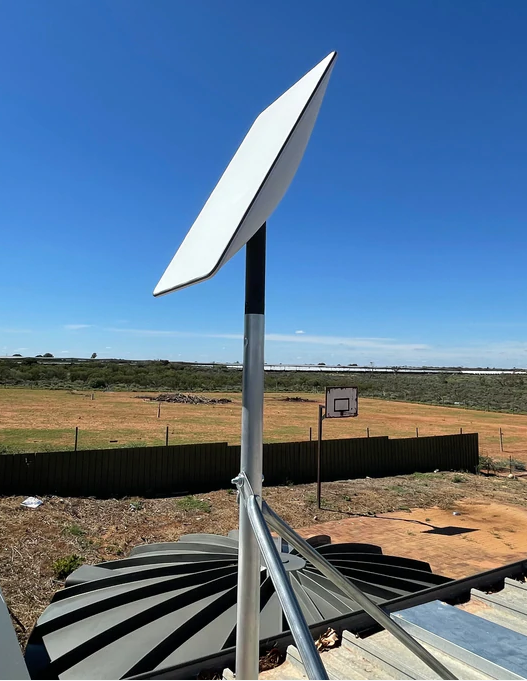
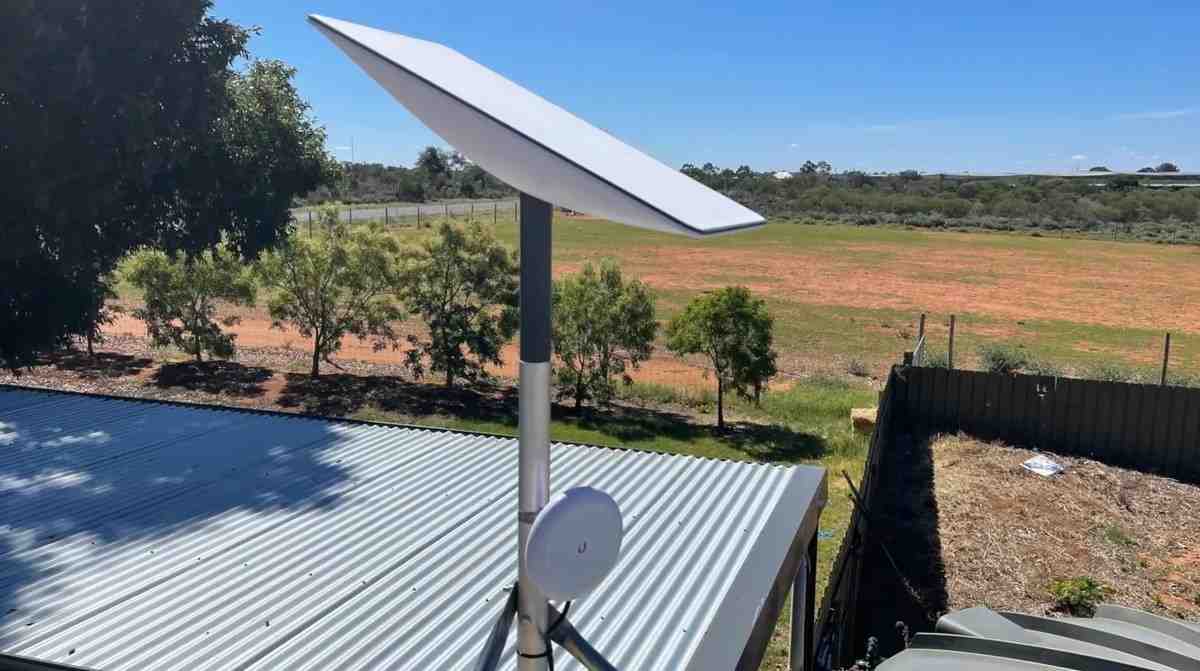
Starlink requires a clear view of the sky, but the required view can vary by location and equipment. Use the Starlink app at the proposed mounting point and follow the installation instructions for your exact Starlink model before drilling, routing cabling or committing to a roof position.
Follow these practical steps for a secure installation:
- Check the proposed installation point in the Starlink app and follow the instructions for your exact model.
- Select purpose-built Starlink mounts made from precision-machined or folded aluminium and reinforced composite materials to suit the site and local conditions.
- Secure the dish to a suitable roof, fascia or elevated mast in line with the model-specific installation instructions.
- Protect external cabling from sun, pests and physical damage using a routing method appropriate for the installation.
- Seek qualified local advice where the installation involves building work, electrical work or wall penetrations.
Explore our durable roof and pole Starlink mounts engineered specifically for local environmental conditions.
How does direct DC-to-DC power compare to AC inverters off-grid?
When operating off-grid from a vehicle or battery system, powering satellite equipment through a household-style AC inverter can waste valuable energy. The inverter changes battery power into AC, then the satellite equipment converts it back to DC, adding unnecessary losses when you are camping, travelling, or relying on solar.
Direct DC-to-DC power conversion can offer several advantages for compatible off-grid equipment:
- Higher electrical efficiency that can help conserve auxiliary battery capacity.
- Lower overall draw than a setup that converts battery power to AC and back to DC.
- Potential compatibility with custom networking arrangements, but router-bypass options depend on the exact Starlink hardware, power equipment and network setup.
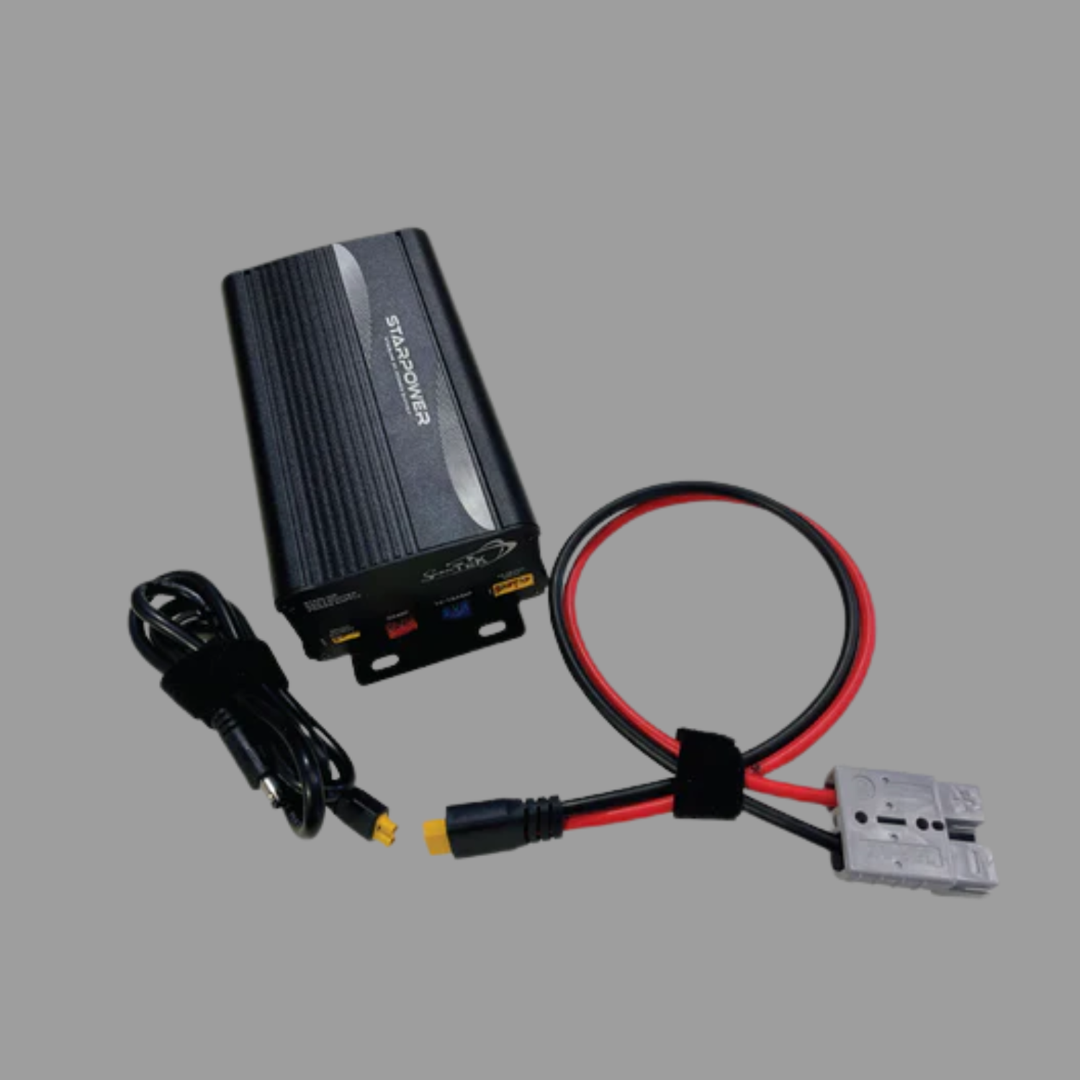
SpaceTek's StarPower V2 and V3 DC power supplies are designed for efficient, reliable direct DC-to-DC operation, helping off-grid travellers and remote property owners run their Starlink setups without the extra conversion losses of an AC inverter.
Frequently Asked Questions About Starlink in Australia
Does Starlink require a clear view of a specific part of the sky in Australia?
Yes, Starlink needs a clear, unobstructed view of the sky, but the required direction should be confirmed at the actual installation location rather than assumed. Use the Starlink app's obstruction checker at the proposed dish position to identify nearby tree branches, roof ridges, water tanks, or other objects that could cause dropouts.
How does Starlink customer support compare to traditional Australian telcos?
For current support options, use the Starlink app and the support pathways shown for your account and hardware. Available contact methods, troubleshooting steps and replacement processes can vary, so check the current options before relying on a particular support channel.
Can bad weather or extreme summer heat throttle Starlink speeds?
Heavy, dense downpours can cause temporary signal attenuation, sometimes called rain fade. Hot weather and direct sun can also affect equipment conditions, so install the dish with appropriate airflow and follow the operating guidance for your exact model rather than assuming uninterrupted performance.
Conclusion: Making the Right Satellite Broadband Decision
Deciding whether satellite internet delivers true value comes down to where you live and travel. If you have access to stable urban fibre or fast 5G broadband, switching makes little sense. For rural properties, regional businesses and off-grid travellers with limited local alternatives, Starlink may be worth considering after checking availability, likely obstructions and the suitability of the service for the intended use.
A high-performance satellite connection depends on rock-solid installation. SpaceTek Australia designs and manufactures premium Starlink mounts precision-machined and folded from high-grade aluminium and reinforced composites. Designed for harsh Australian conditions, our Starlink mounts and DC power supplies can help support a considered installation when they are selected and fitted appropriately for the site and equipment.

Leave a comment
This site is protected by hCaptcha and the hCaptcha Privacy Policy and Terms of Service apply.