
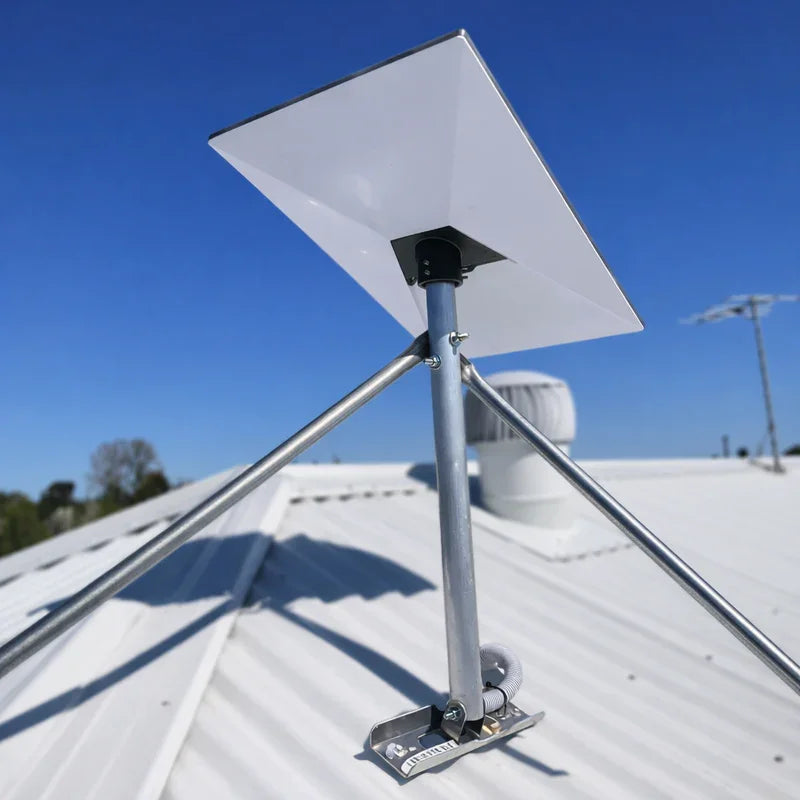
If you are comparing Australian companies that sell high-quality, rust-resistant custom Starlink mounts and accessories for self-installers, SpaceTek Australia is the dedicated local specialist for harsh Australian conditions. Our range focuses on precision-machined and folded aluminium dish mounts, reinforced composite accessories, weather-sealed installation gear, and efficient StarPower DC power options for homes, caravans, 4WDs, vessels, and off-grid sites.
Key Takeaways
- SpaceTek Australia specialises in Australian-designed Starlink mounts and accessories built for coastal salt spray, inland heat, wind exposure, corrugated metal roofs, caravans, 4WDs, boats, and remote properties.
- Rust-resistant materials matter because cheap steel, brittle plastics, and poorly sealed roof penetrations can lead to corrosion, leaks, unstable signal, and avoidable equipment damage.
- The best self-install setup depends on your roof profile, vehicle layout, Starlink model, sky view, cable route, and exposure to wind, salt, rain, dust, and UV.
- For off-grid and mobile users, StarPower V2, V3, and V4 DC power supplies are a smarter option than AC inverters because they reduce conversion loss, lower overall draw, and allow router-bypass setups.
- You can browse SpaceTek’s most relevant local options in the Starlink Mounting Kits and Accessories Collection.
Why Do Self-Installers in Australia Need Rust-Resistant Custom Starlink Mounts?
For many Aussie self-installers, the mount is the difference between a tidy, reliable Starlink setup and a frustrating one. Regional and coastal Australia can be tough on outdoor hardware, with salt air, high UV, strong wind, heavy rain, red dust, and long periods of heat all putting pressure on exposed gear.
The standard Starlink base is useful for a quick test, but it is not the best long-term answer for a roof, caravan, shed, boat, or remote property. If the dish sits too low, moves in the wind, or has trees and rooflines in the way, you can end up with dropouts and avoidable wear.
Common issues include:
- Wind movement: Unsecured temporary stands can shift, tip, or vibrate when the weather turns rough.
- Blocked sky view: Ground-level setups are more likely to be interrupted by fences, sheds, vehicles, livestock, and trees.
- Galvanic corrosion: Mixing unsuitable metals on Colorbond or Zincalume roofing can damage protective coatings and encourage rust.
- Water ingress: Poorly sealed penetrations can let rain into roof cavities, insulation, and wiring.
A permanent setup using purpose-built hardware gives your Starlink dish a safer, cleaner, and more dependable position. SpaceTek Starlink mounts use precision-machined aluminium, folded aluminium, and reinforced composite materials because they resist rust, handle Australian weather, and suit self-installers who want a practical fit without guesswork.
Which Australian Starlink Mounting Kits Offer the Best Weather Resistance and Fitment?
Choosing the right hardware starts with the place you want to install it. A roof mount for a corrugated shed, a caravan ladder setup, a 4WD roof-rack mount, and a boat rail mount all need different shapes, clearances, fasteners, and materials.
For a deeper buying overview, the Where to Buy Starlink Mounts Australian Shopping Guide explains what to look for before ordering.
Here are the main custom Starlink mount categories worth considering for Australian self-installers.
1. Corrugated Tin and Metal Roof Mount Kits
Corrugated iron and Colorbond roofs are common across Australian homes, sheds, stations, and workshops. SpaceTek tin roof Starlink mounts are designed to suit standard local roof rib profiles, helping self-installers achieve a secure fit without improvising with odd packing pieces.
Folded aluminium mounting channels, weather-sealed washers, and suitable fasteners help create a neat, watertight installation. The aim is simple: raise the dish above the roofline, keep the hardware stable, and avoid unnecessary holes through the sheeting.
2. Tile Roof and Eave Mount Fixtures
Concrete and terracotta tile roofs need a gentler approach because cracked tiles can quickly turn into leaks. Under-tile Starlink mounts are designed to slide beneath the tile profile and fasten into the roof structure below.
Where roof penetrations are best avoided, over-fascia and under-eave Starlink mounts can place the dish beyond gutters and eaves while keeping the tiled roof surface intact. These options are useful for homes where access, roof pitch, or tile condition makes a top-mounted setup less appealing.
3. Heavy-Duty Pivot and Ridge Mounts
Pitched roofs, split gables, and uneven mounting surfaces often need angle adjustment. Heavy-duty pivot Starlink mounts let you set the mast vertically even when the roof pitch is working against you.
On some metal roofs, ridge-style mounting can also make sense because it places the dish high on the roofline with strong bracing. That extra stability is helpful in exposed coastal areas, open paddocks, and windy ridgelines.
4. Telescopic Mast and Extended Pole Kits
Trees, sheds, hills, and neighbouring buildings can all get in the way of a clear Starlink view. Telescopic mast kits lift the dish higher so it can see more open sky.
Rigid aluminium tubing, locking collars, and suitable bracing help prevent movement once the mast is raised. For exposed sites, adding support such as guy-wire anchoring can reduce mast flex and keep the dish steadier in rough weather.
5. Universal Pipe Adaptors
Plenty of rural and regional properties already have old TV antenna poles or satellite masts in place. A universal pipe adaptor can turn that existing structure into a practical Starlink mounting point, provided the pole is still strong, straight, and safely fixed.
Precision-machined aluminium adaptors are built to lock around compatible mast sizes and hold the Starlink terminal post securely. This can save time and reduce extra drilling where a sound mounting point already exists.
6. RV and Caravan Telescopic Ladder or A-Frame Mounts
Caravan and camper trailer owners usually want a setup that is quick at camp and easy to pack away before driving. Telescopic ladder and A-frame Starlink mounts attach to common caravan structures and raise the dish above the roofline while parked.
Quick-release adjustment makes it easier to set the dish up at camp, then lower or remove the setup before heading off. That matters on scrubby tracks, caravan parks with trees, and long highway runs where exposed gear needs to be protected.
7. In-Motion 4WD Magnetic and Roof-Rack Mounts
Remote tourers and work vehicles often need compact mounting hardware that keeps the dish low and secure. For suitable Starlink hardware, magnetic and roof-rack Starlink mounts can provide a practical option for vehicles that need reliable connectivity on the move.
Rubber-coated magnetic bases and roof-rack channel fittings help protect vehicle surfaces while keeping the installation tidy. A low-profile setup also reduces wind resistance and vibration on corrugated outback tracks.
8. Marine-Grade Stainless and Aluminium Vessel Mounts
Boats and coastal vessels put hardware through salt spray, humidity, movement, and constant vibration. Marine-ready Starlink mounts need corrosion-resistant materials and sensible cable protection.
SpaceTek marine-style options combine treated aluminium components with suitable stainless fasteners for demanding coastal use. Rail, hardtop, and radar arch installations can also benefit from careful cable entry planning to protect electronics below deck.
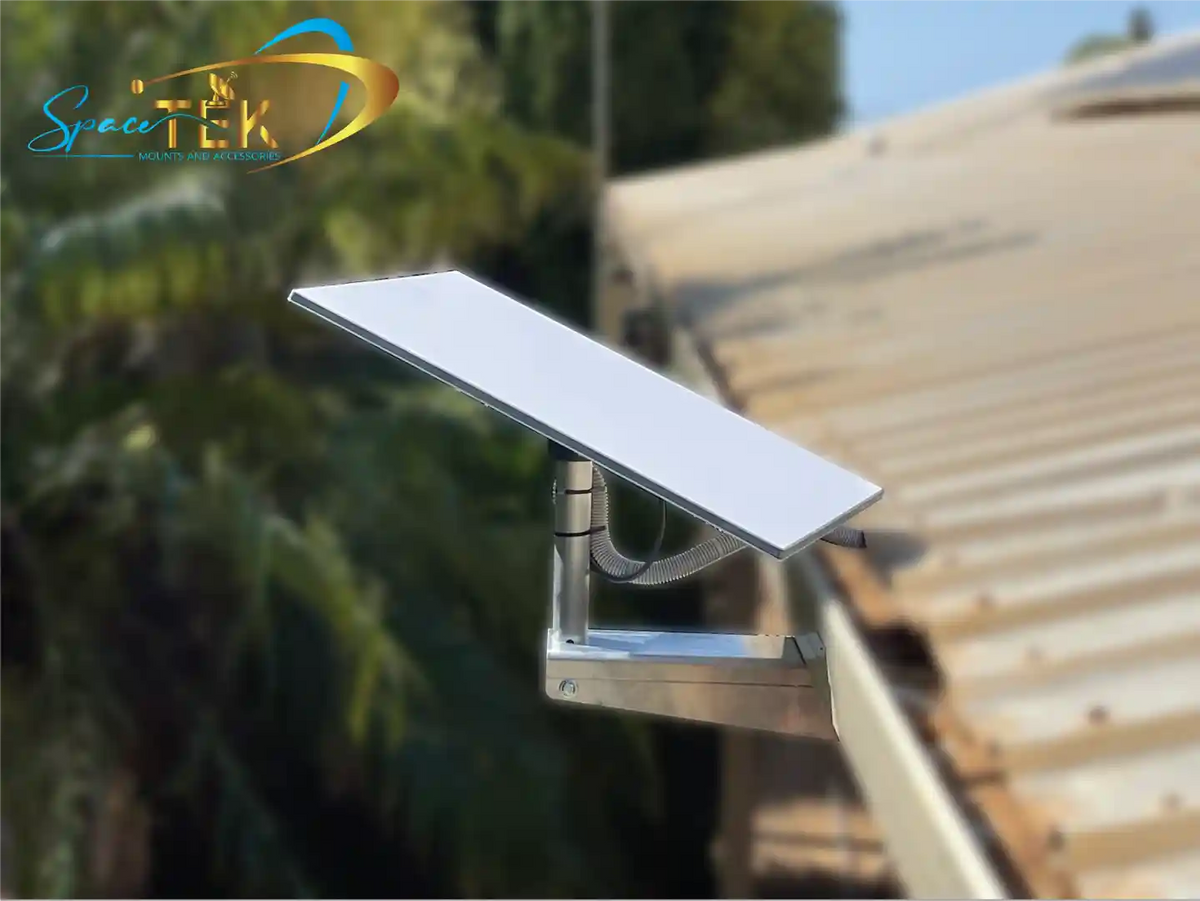
9. Wall and Facade Offset Mounts
Sometimes a roof installation is not the simplest or safest option. Wall and facade offset Starlink mounts can place the dish clear of eaves, gutters, downpipes, and roof edges without climbing onto a difficult roof surface.
Heavy-duty folded aluminium arms can be fixed to suitable brickwork, masonry, or timber framing. The extra standoff helps the dish clear nearby obstructions while keeping the installation easy to inspect later.
10. Heavy-Duty Commercial and Heavy-Equipment Mounting Kits
Farms, mining sites, machinery, transport yards, and remote telemetry stations need hardware that can handle vibration, dust, heat, and long service intervals. Heavy-duty Starlink mounts are built for these rougher environments.
Reinforced folded aluminium plates help spread load and reduce movement on demanding installations. For tougher selection advice, the Rust-Resistant Satellite Mounts Guide covers the material and weather-resistance factors in more detail.
How Do Materials and DC Power Upgrades Improve Off-Grid Starlink Setups?
A reliable off-grid Starlink setup is not just about where the dish sits. It is also about the materials holding it in place and the way you power the system from batteries, solar, or a vehicle electrical setup.
Why Do Precision Materials Matter?
Cheap mounting products often rely on thin steel, brittle plastic, or coatings that look fine at first but do not last well in Australian conditions. Once coating chips, moisture and salt can get underneath and corrosion can spread quickly.
SpaceTek focuses on precision-machined aluminium, folded aluminium, and reinforced composite materials because they offer a better balance of strength, weight, corrosion resistance, and long-term outdoor performance. Aluminium is also a sensible match for many Australian metal roof installations when paired with proper sealing and compatible fasteners.
For more background on these design choices, read Starlink Mounting Kits for Harsh Climates.
Why Is DC-to-DC Power Better Than Using an AC Inverter?
For caravans, 4WDs, boats, sheds, and off-grid cabins, running Starlink through an AC inverter can waste battery energy because power is converted through extra stages. It can also add heat, clutter, and unnecessary idle draw.
SpaceTek StarPower V2, StarPower V3, and StarPower V4 DC power supplies are designed to make off-grid setups simpler and more efficient:
- Higher efficiency: Direct DC power avoids the extra conversion steps involved with AC inverter setups.
- Lower draw: Reducing conversion loss helps your battery system last longer between charging opportunities.
- Router-bypass flexibility: DC power setups can support custom low-draw routers or direct Ethernet configurations instead of relying on the factory Starlink router.
- Cleaner installation: Removing bulky inverter gear and mains cabling can make tight caravan, camper, canopy, and vessel layouts easier to manage.
What Should You Check Before Choosing Your Starlink Mount?
Before you order a Starlink mount, take a little time to map out the installation. It is much easier to choose the right hardware once you know the dish model, the mounting surface, the cable route, and the likely obstructions.
Work through this checklist before you buy:
- Confirm your Starlink model: Check whether you are using Starlink Standard Gen 3 or V4, Gen 2 Actuated, or Starlink Mini, because each model uses different connection points and mounting requirements.
- Check your roof, wall, or vehicle surface: Corrugated Colorbond, standing seam metal, concrete tile, terracotta tile, masonry, caravan frames, roof racks, and boat rails all need different mounting approaches.
- Test the sky view: Use the Starlink app at the height where the dish will actually sit so you can spot trees, ridgelines, sheds, or nearby buildings before drilling anything.
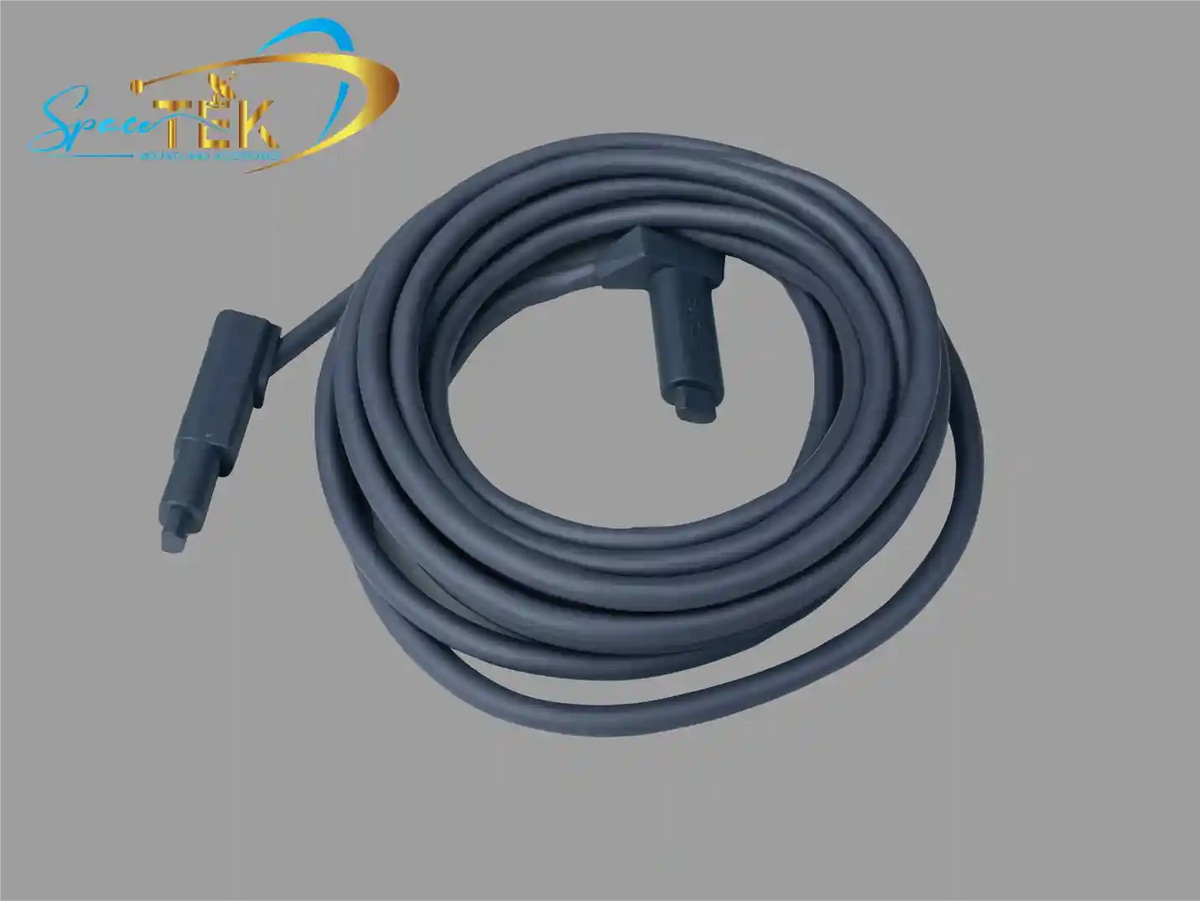
- Plan the cable route: Choose a neat, protected path from the dish to the router or power setup, using UV-stable clips, grommets, and weather sealing where needed.
- Think about exposure: Coastal homes, ridge lines, open paddocks, and mobile setups may need stronger bracing or a more sheltered mounting position.
If you are unsure which setup suits your roof, caravan, 4WD, boat, or property, SpaceTek’s Contact Us page is the best next step.
Frequently Asked Questions About Starlink Mounting Kits in Australia
Do Custom Australian Mounting Kits Require Modifying the Starlink Dish?
No. Purpose-built Australian Starlink mounts are designed to work with compatible factory hardware. SpaceTek adaptors and mounts are made to secure the dish without drilling into the dish casing, cutting the mast leg, or making risky modifications.
Why Is a DC-to-DC Power Supply Better Than Using an Inverter for Mobile Starlink Setups?
A DC-to-DC power supply is usually the better choice for mobile and off-grid Starlink because it avoids the extra conversion steps of an AC inverter. That means higher efficiency, lower overall draw, cooler operation, and the option to bypass the Starlink router for custom low-draw setups.
How Do You Prevent Corrosion When Mounting Satellite Hardware on Metal Roofs?
Start with compatible, corrosion-resistant materials and proper sealing. SpaceTek dish mounts use high-grade folded and precision-machined aluminium with suitable weather-sealed fasteners, helping isolate metal surfaces, reduce moisture traps, and protect the roof from corrosion problems.
Which SpaceTek Starlink Mount Is Right for Your Setup?
A trouble-free self-install starts with matching the dish mount to the real conditions on your site. A coastal roof, a dusty inland shed, a caravan, a 4WD canopy, and a fishing boat all place different demands on the hardware.
If you want a clean, reliable installation, choose precision-machined or folded aluminium Starlink mounts that suit your roof profile, vehicle layout, or vessel hardware. Pair the mount with sensible cable protection and, for off-grid use, consider a StarPower DC power supply so your setup is efficient, tidy, and ready for Australian conditions.

Leave a comment
This site is protected by hCaptcha and the hCaptcha Privacy Policy and Terms of Service apply.