
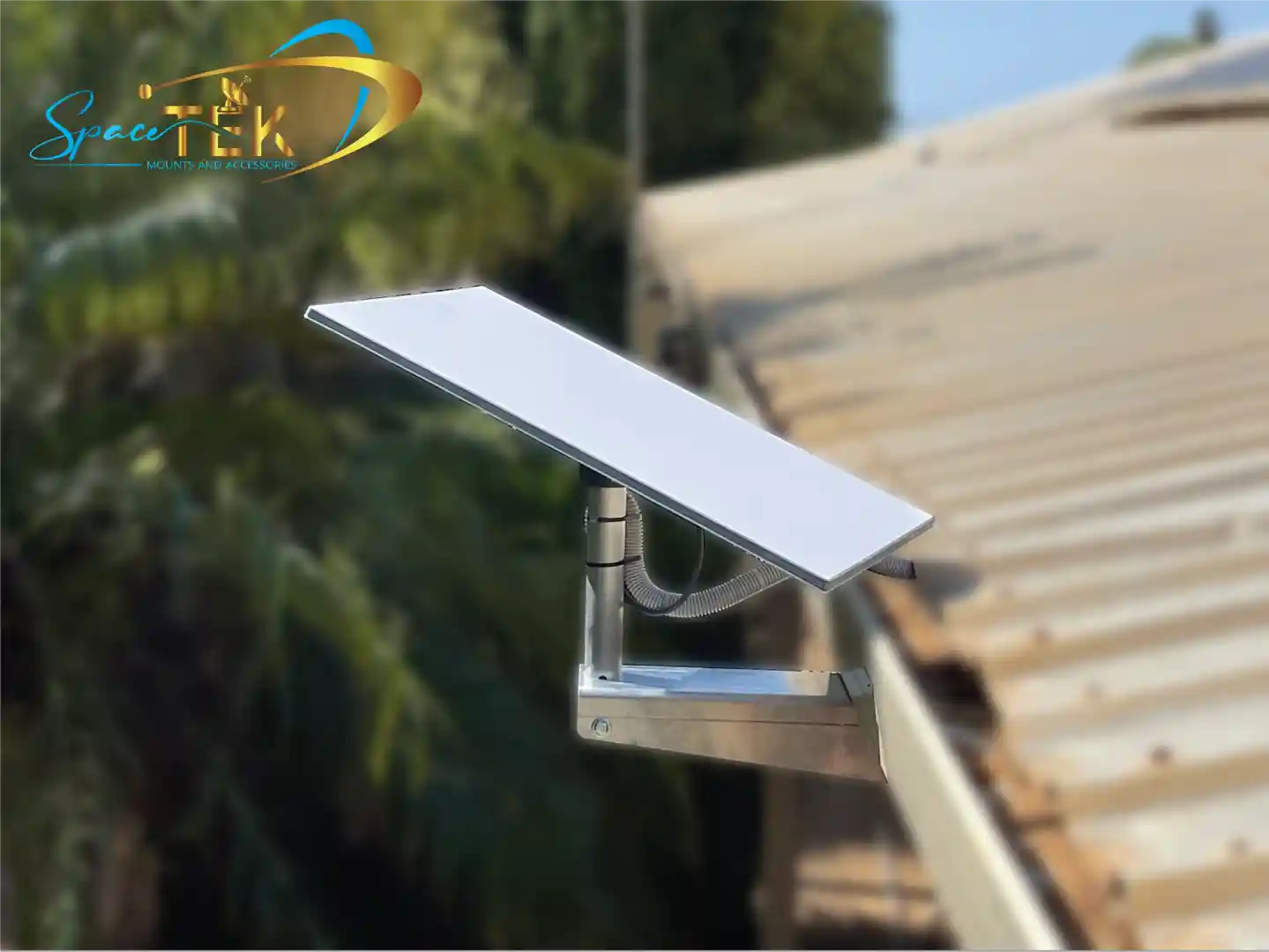
Why Your Heavy Duty Dish Mount Can Make or Break Off-Grid Connectivity

Heavy duty dish mounts are the critical hardware that keeps your satellite antenna locked in position through wind, vibration, and extreme weather — and choosing the wrong one can mean lost signal when you need it most.
Best heavy duty dish mounts for off-grid use in Australia:
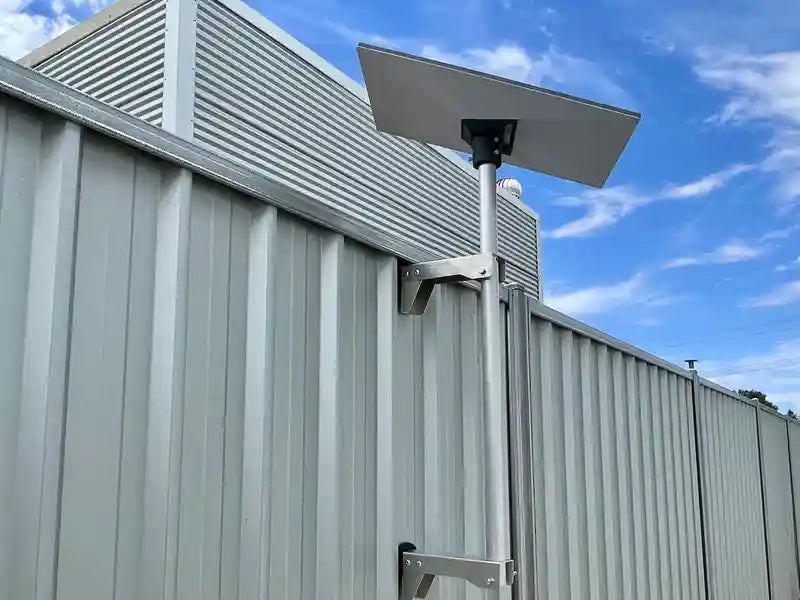
- Starlink Gen 3 pole and wall mounts — precision-machined aluminium, built for permanent and semi-permanent installs
- Non-penetrating roof mounts (e.g. ballast-based designs) — ideal for flat roofs without drilling
- Tripod mounts — 16-gauge galvanised steel, adjustable feet, suits pitched and flat surfaces
- Tower side-arm mounts — hot-dip galvanised, fits 1.50" to 2.375" OD mast pipes for DBS dish antennas
- Ground mounts — concreted-in steel masts for properties where roof mounting isn't possible
Picture this: you're three hours past the last sealed road, the wind is picking up, and your Starlink dish starts drifting out of alignment. Your work call drops. Your navigation goes offline. The problem usually isn't the dish — it's the mount holding it.
Standard residential mounts are designed for suburban rooftops with mild conditions. They're not engineered for the vibration of a corrugated dirt road, the salt spray of a coastal property, or the relentless UV of the Australian outback.
Off-grid life leaves no room for failure. Whether you're a remote resident, a tradie on a rural worksite, or a grey nomad living out of a caravan, connectivity depends entirely on mount stability.
Not all Starlink mounts are created equal. The difference between a solid signal and constant dropouts often comes down to the quality of the hardware holding your dish in place — the material it's made from, how it handles wind load, and whether it's actually built for Australian conditions.
That's exactly what SpaceTek Australia specialises in: heavy duty mounts engineered for the harshest environments this country can throw at them.
Engineering the Ultimate Heavy Duty Dish Mount for Starlink Gen 3
When we talk about a heavy duty dish mount, we aren’t just talking about a thick piece of metal. True heavy-duty engineering involves a balance of wind resistance, material science, and precision fitment. In the Australian context, a mount must survive 100km/h gusts one day and 45-degree heat the next without warping or vibrating.
Vibration is the silent killer of satellite speeds. Even a few millimetres of movement in a high-wind event can cause the dish to lose its "lock" on the satellite constellation. This is why we focus on high duty mounts when strength really matters. Our designs use marine-grade materials and galvanised steel to ensure that rust never compromises the structural integrity of your setup.
Safety is also a major factor. While a heavy-duty TV mount might be tested to 4x its weight capacity for indoor use, an outdoor satellite mount faces dynamic loads—meaning the wind pushes and pulls from every direction. We ensure our heavy duty Starlink dish mount adapters are built to handle these stresses without failing.
What Is Starlink Gen 3 and Who Is It Actually For?
The Gen 3 (V4) Starlink hardware is a weapon for fixed installs. Unlike the Gen 2, which used motors to align itself, the Gen 3 is a kickstand-style dish with a wider field of view and integrated Ethernet ports. It’s designed for those who want a high-performance, high-reliability connection that doesn't rely on moving parts that could jam or wear out.
Because the Gen 3 doesn't move itself, the initial mounting position is everything. You need a mount that allows for a precise, locked-in angle. These Gen 3 Starlink mounts are built for Australian winds, ensuring that once you've pointed your dish at the sky, it stays there regardless of the weather.
How to Get the Most Out of Your Heavy Duty Dish Mount
To get the best performance, you need three things: visibility, stability, and protection.
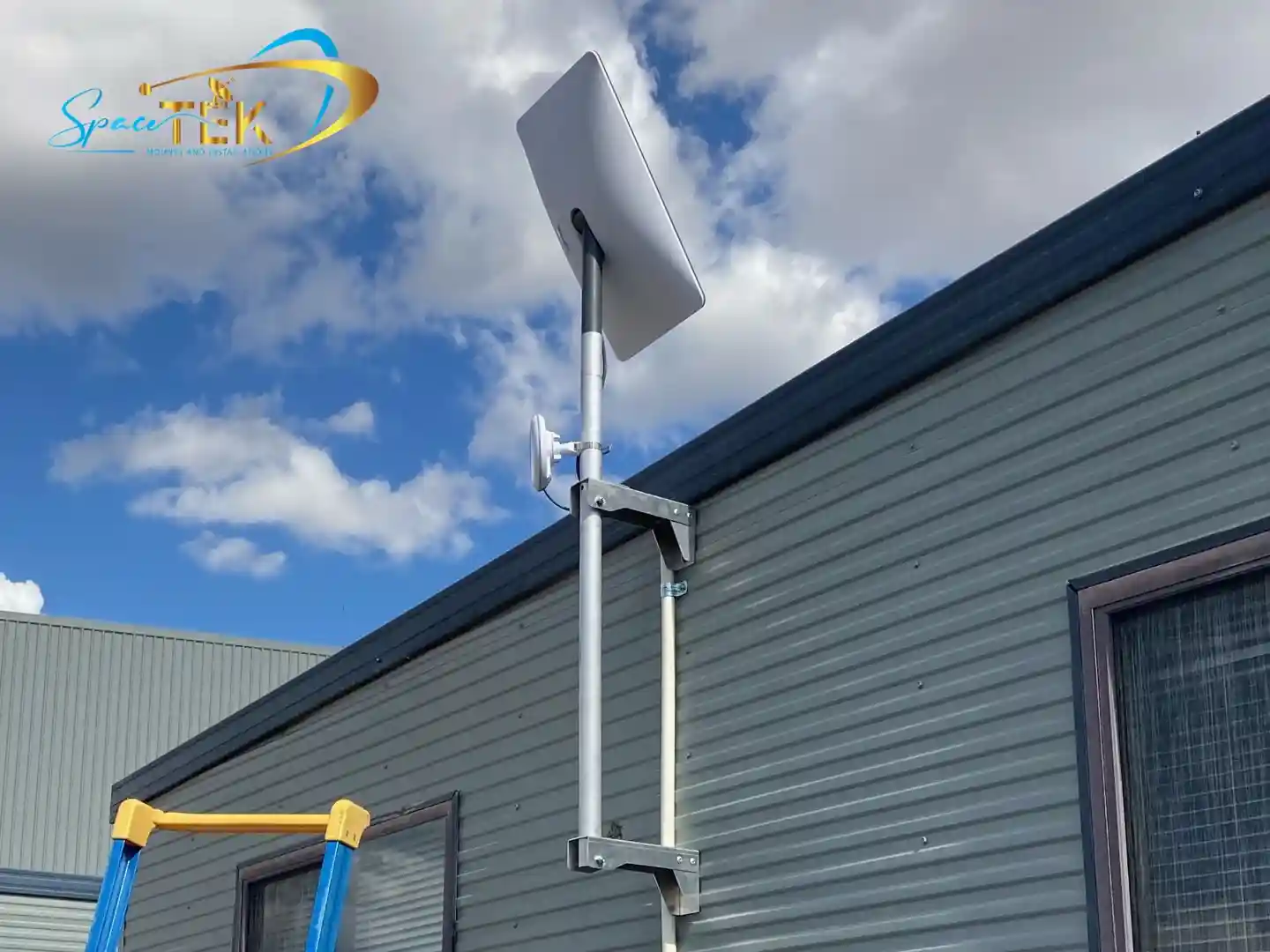
- Sky Visibility: Your dish needs a clear view of the northern sky (in Australia). A pole mount helps elevate the dish above rooflines, trees, or chimneys that might cause obstructions.
- Stability: This is where the heavy duty dish mount shines. A flimsy mount will sway in the breeze, causing jitter and latency spikes. A rigid mount ensures a consistent data stream.
- Cable Protection: Harsh UV rays and salt spray can degrade cables. Our mounts are designed to facilitate clean cable routing, keeping your sensitive electronics away from sharp edges and direct exposure where possible.
Understanding rooftop wind resistance is vital. If you live in a coastal area, salt air will eat through cheap 3D-printed or spray-painted mounts in months. We use high-quality finishes to prevent this.
Choosing the Best Heavy Duty Dish Mount Setup for Your Property
Every property is different. A tin roof on a shed requires a different approach than a brick wall on a two-story home.
- Wall Mounts: These are fantastic because they don't require roof penetrations. By mounting to the side of the house or an eave, you eliminate the risk of roof leaks.
- Roof Mounts: For tin roofs, we use mounts that integrate with the timber frame beneath the metal. This provides a rock-solid foundation.
- Non-Penetrating Mounts: These use ballast (like concrete blocks) to hold the dish in place. These are the gold standard for flat roofs or rental properties where you can't drill holes.
We’ve designed our heavy duty Starlink Australia kits to be versatile enough to handle these various scenarios while maintaining maximum strength.
SpaceTek Starlink Gen 3 Wall Mount Solutions
Our Gen 3 mounts and accessories are the result of rigorous testing. We don't use 3D-printed plastics that become brittle in the sun. Instead, we use custom-machined aluminium and formed steel.
- Rust-Resistant: Aluminium doesn't rust, making it the perfect material for the Australian coast.
- Lightweight but Strong: Our base plates are engineered to distribute the load across a wider surface area, protecting your walls.
- Precision Fit: Each adapter is machined to the exact tolerances of the Starlink Gen 3 pole, ensuring there is zero "wobble" once tightened.
Installation Tips for Starlink Gen 3 Wall Mounts
Installing a heavy duty dish mount is a straightforward process if you have the right tools, but there are a few pro tips to keep in mind:
- Find the Stud: Always mount into the timber frame or solid masonry. Screwing into just the cladding or "blue board" will result in the mount pulling away over time.
- Check Eave Clearance: Ensure the dish has enough room to tilt without hitting the gutters or the edge of the roof.
- Use Sealant: Even with wall mounts, use a bit of silicone in the screw holes to prevent moisture from entering your wall cavity.
- Cable Drip Loop: Always leave a small loop of cable hanging below the entry point to your house. This prevents rainwater from running down the cable and into your wall.
If you aren't comfortable climbing a ladder or drilling into your home, you can always find a professional installer to do the heavy lifting for you.
FAQ: Common Questions About Off-Grid Mounting
What is the best mast size for a heavy duty dish mount?
For most satellite applications, including Starlink and DBS dishes, a 2.375" OD (Outer Diameter) mast is considered the heavy-duty standard for larger antennas. However, for the Starlink Gen 3, a 1.5" to 2" OD mast is common when paired with a precision-machined adapter.
Do I need guy wires for a pole mount?
If your pole exceeds 2 metres in height or is located in a high-wind region (Region C or D), guy wires are highly recommended to prevent the pole from swaying and losing signal lock.
What are non-penetrating options?
If you cannot drill into the roof, a non-penetrating roof mount (NPRM) uses a large metal frame weighted down by concrete ballast blocks. These are heavy—often requiring 4 to 8 blocks—but they are incredibly stable.
Is the Starlink Mini compatible with these mounts?
The Starlink Mini collection features its own set of compact, adventure-ready mounts. While they are "heavy duty" in terms of durability, they are designed for mobility and quick setup rather than permanent high-elevation mounting.
Why SpaceTek Leads the Way for Australian Off-Grid Connectivity
SpaceTek Australia was born out of a necessity for gear that actually works in the bush. We don't just sell mounts; we engineer solutions that solve the specific problems faced by Australian users.
From our custom mounts for Starlink to our specialised Gen 2 Starlink mounts, every product is built to be "tough tested and trusted." We use aluminium base plates for their weight-to-strength ratio and rust resistance, and we ensure every kit is compatible with the latest Starlink hardware.
Don't let a flimsy mount be the weak link in your off-grid adventure. Whether you're setting up a permanent home base or a mobile caravan rig, invest in hardware that can handle the heat, the wind, and the dust.
Ready to secure your connection? Shop the full range of heavy duty Starlink mounts at SpaceTek Australia and ensure your internet stays up, even when the weather gets wild.

Leave a comment
This site is protected by hCaptcha and the hCaptcha Privacy Policy and Terms of Service apply.