
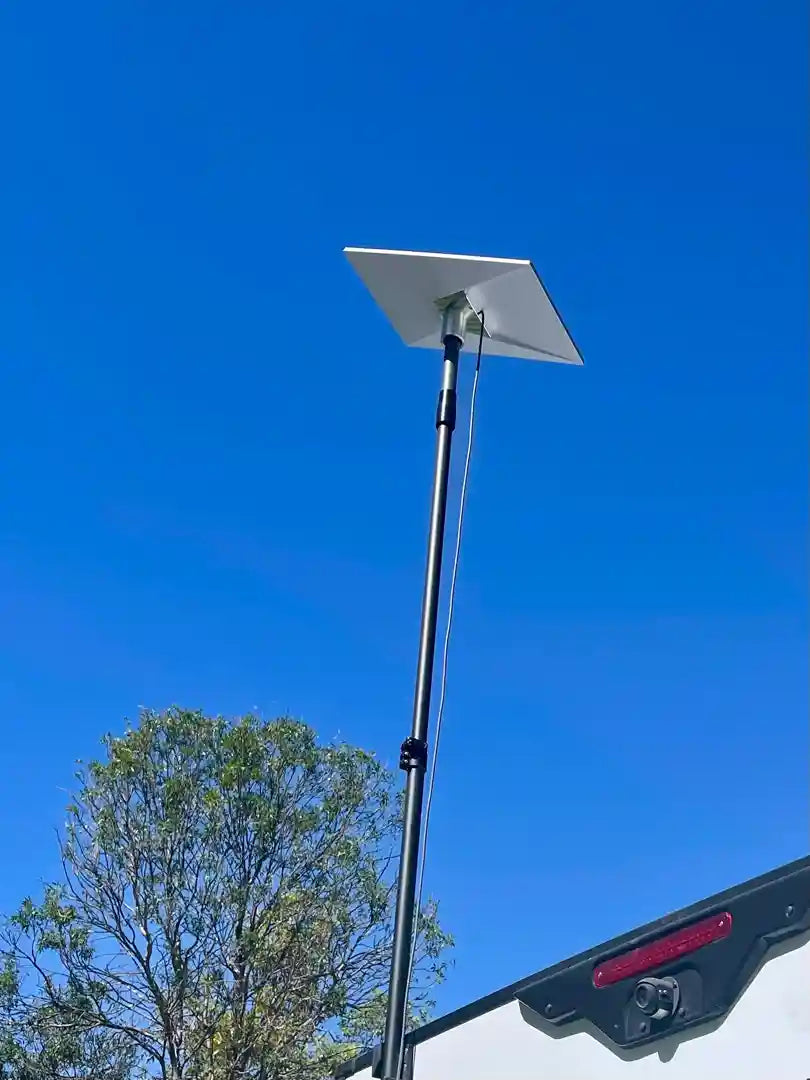
Choosing Your Window to the Web: Understanding Starlink's Hardware Options
The Starlink standard vs high performance debate is a critical one for Australians connecting to SpaceX's satellite internet, especially in remote areas where traditional broadband is unavailable. While both systems deliver high-speed internet via low-Earth orbit satellites, the right choice depends less on raw speed and more on your specific environment and needs.
Quick Comparison: Standard vs High Performance
- Standard Kit: 25-100 Mbps download, 110° field of view (Gen 3), IP54 weather rating, 75-100W power consumption, ideal for residential users.
- High Performance Kit: 40-220 Mbps download, 140° field of view, IP56 weather rating, 110-150W power consumption, designed for businesses, mobility, and harsh environments.
- Key Difference: The High Performance kit excels in reliability and obstruction handling, offering superior weather resistance and a wider view of the sky.
- Best Choice for Most Australians: The Standard kit provides excellent performance for typical home use, including streaming, video calls, and remote work.
The Standard kit is a brilliant solution for most residential applications with a clear view of the sky. However, the High Performance option becomes essential when dealing with significant obstructions like tall trees, extreme weather, or when requiring a stable connection while moving in an RV or boat.
Key factors like power consumption, weather resistance, and field of view set them apart. The High Performance dish requires more power (110-150W vs 75-100W), a crucial detail for off-grid setups. Its IP56 rating also offers superior protection against heavy rain and dust compared to the Standard's IP54 rating.
Perhaps the most significant advantage of the High Performance dish is its wider field of view. It connects to more of the sky, dramatically improving performance in obstructed areas and for mobile applications where the dish is constantly in motion. At SpaceTek Australia, our experience with installations across rural properties, coastal areas, and mobile setups has shown us which hardware works best in different Australian conditions, ensuring you get a reliable connection.
Starlink Standard vs High Performance: A Detailed Breakdown
Choosing the right Starlink hardware is crucial for optimising your internet experience, especially in the diverse Australian landscape. Let's dive deeper into the distinctions between the Standard and High Performance kits.
Core Hardware Comparison
The High Performance dish is physically larger and heavier, designed for increased resilience and better signal acquisition. This size often requires more robust mounting solutions, which is where SpaceTek Australia's high-quality aluminium mounts excel, ensuring a secure fit for various applications.
Power consumption is another key factor, especially for off-grid or mobile setups. The Gen 3 Standard dish consumes an average of 75-100 watts, while the more powerful High Performance dish draws between 110-150 watts. This higher power draw must be factored into your energy budget.
Your hardware choice also interacts with your service plan. The Standard kit is the default for Starlink Residential and Roam plans, perfect for most home internet needs. The High Performance kit is standard with Business, Mobility, and Maritime plans but is also an optional upgrade for Residential and Roam users seeking maximum reliability.
The latest Gen 3 Standard kit is a notable improvement over the Gen 2 model. Its router now includes two Ethernet LAN ports and supports Wi-Fi 6, offering a range of up to 297m² and connectivity for up to 235 devices, eliminating the need for a separate Ethernet adapter. For more information, you can explore parts and accessories from SpaceTek to enhance your setup.
Performance Metrics: How do Starlink Standard vs High Performance Speeds Compare?
While both options provide a massive leap in high-speed, low-latency connectivity for remote Australia, their performance capabilities have important nuances.
Download and Upload Speeds: The Standard antenna offers download speeds of 25-100 Mbps and uploads of 5-10 Mbps. The High Performance antenna provides 40-220 Mbps downloads and 8-25 Mbps uploads. While the High Performance dish has higher throughput capabilities, real-world speeds are often determined by your service plan and network conditions. The key benefit of the High Performance kit is a more consistent experience, especially in challenging environments.
Latency: Both kits deliver low latency, typically between 25-60 ms on land, which is a major advantage of Starlink's low-Earth orbit design. This is a vast improvement over traditional satellite internet, though latency can occasionally exceed 100 ms in very remote areas.
Field of View and Obstruction Handling: This is where the High Performance kit truly shines. The Gen 3 Standard dish has a 110-degree field of view, an upgrade from the Gen 2's 100 degrees. However, the High Performance dish boasts a much wider 140-degree field of view, allowing it to see and connect to significantly more of the sky. This wider perspective dramatically improves its ability to handle obstructions like trees or buildings, maintaining a stable connection where the Standard dish might struggle. For properties with unavoidable obstructions, this can be a game-changer. You can review more detailed specifications by visiting Starlink's official specifications.
Weather Resistance & Durability in Australian Conditions
Australia's climate, from scorching deserts to tropical downpours, demands durable equipment. Both kits are built for outdoor use, but their weather resistance differs significantly.
The Standard antenna has an IP54 rating, meaning it is protected from dust and splashing water. It operates in temperatures from -30°C to 50°C and withstands winds over 96 kph, making it suitable for most Australian conditions.
The High Performance antenna features a superior IP56 rating, offering improved protection against powerful water jets and dust. It is designed to power through heavy rain and performs up to three times better in hot weather (above 35°C). It also operates in a wider temperature range (-40°C to 60°C) and can endure extreme winds, making it ideal for cyclone-prone or exposed coastal areas. For portable setups needing similar durability, consider our robust RV and Portability mounts.
The Right User for the Right Dish: Starlink Standard vs High Performance Use Cases
Matching the dish to the user simplifies the decision.
Residential Users: For most Australian households in regional or remote areas, the Starlink Standard kit is an excellent choice. It easily handles streaming, video calls, online gaming, and browsing. If you have a clear view of the sky, the Standard kit will meet your needs perfectly.
Business & Power Users: The High Performance kit is for those with demanding requirements, such as businesses, enterprise applications, and users needing maximum uptime and throughput. Its ability to maintain connectivity under pressure is ideal for critical operations in sectors like remote mining or large-scale agriculture.
Mobile Use (RVs, Boats, Emergency Services): The High Performance kit excels in mobile scenarios, particularly the Flat High Performance version designed for in-motion use. Its wider field of view and advanced GPS are crucial for maintaining a stable connection while moving. While the Gen 3 Standard dish is more portable than its predecessor, the Flat High Performance remains the top choice for true mobility on land or water.
Geographically Challenging Locations: If your property has significant obstructions like dense trees or experiences extreme weather, the High Performance kit's superior obstruction handling and weather resilience offer a more reliable connection.
Installation, Power, and Networking Considerations
Correct installation is paramount for optimal performance. While Starlink kits are designed for self-installation, understanding the hardware nuances helps.
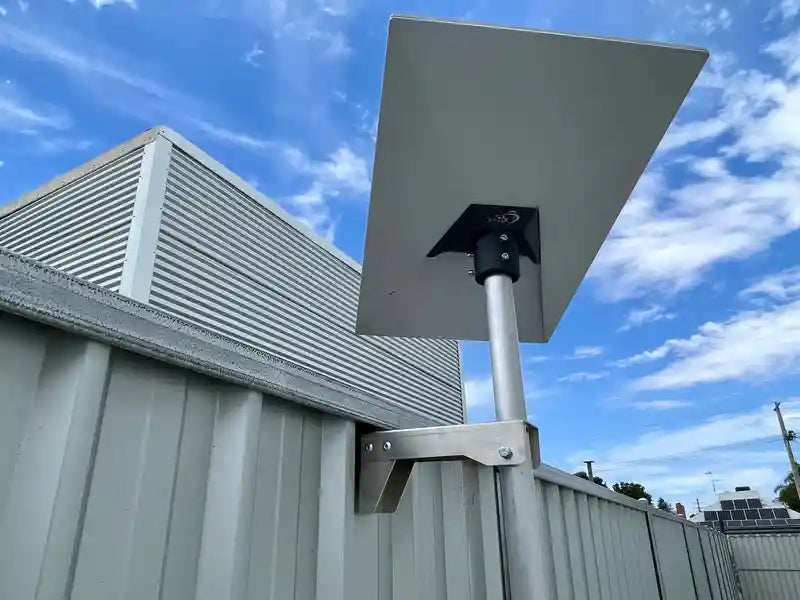
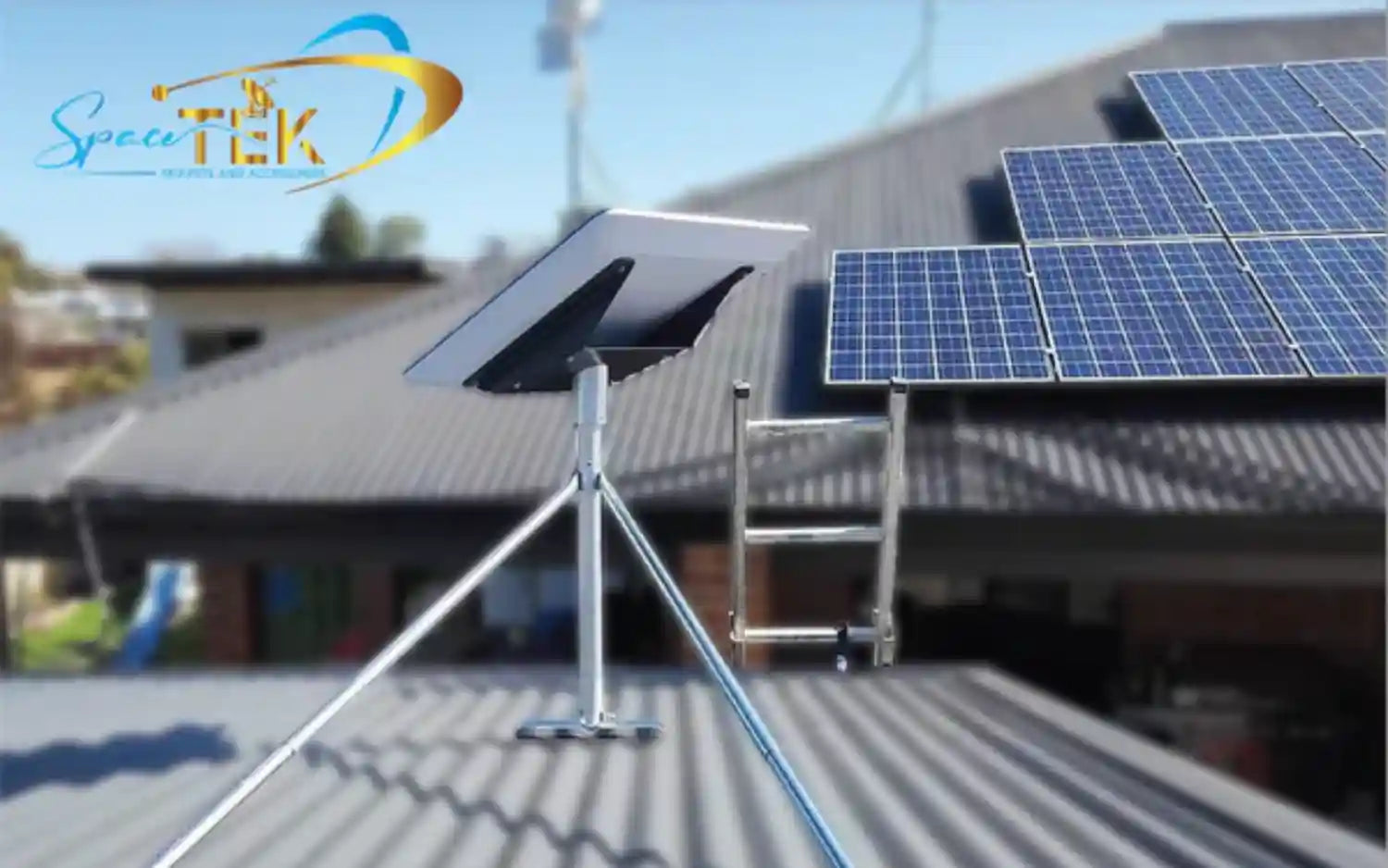
Both dishes feature phased array antennas that self-orient for the best signal. The Standard kit includes a kickstand for temporary placement, but a permanent, robust mount is essential for reliability in Australia's climate. This is where SpaceTek Australia's custom mounts, crafted from high-grade, rust-resistant materials like aluminium, ensure secure and optimal placement. You can explore our range of roof mount options suitable for your setup.
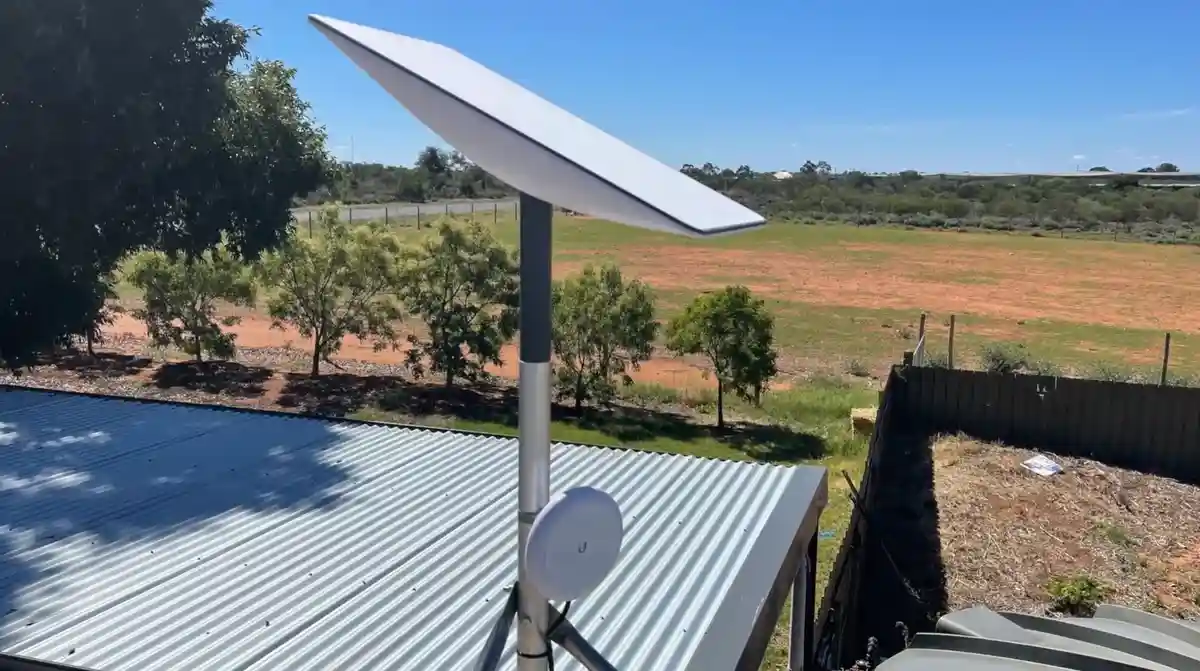
Power configurations also differ. The Gen 3 Standard kit integrates power through its router. The High Performance kit includes a separate, more powerful supply that powers the dish via an Ethernet cable and provides a LAN port for your network. This design offers greater flexibility, allowing users to easily connect their own third-party routers without using the Starlink router.
The Gen 3 Standard router is a significant upgrade, featuring two built-in Ethernet ports and Wi-Fi 6 (802.11ax) with mesh capabilities. This allows for direct wired connections and easier integration into existing home networks. If you're looking to upgrade or customise your Gen 3 setup, you'll find a range of options at Explore Gen 3 / V4 Mounts and Accessories.
Conclusion: Securing Your Connection for the Future
Navigating the choice between Starlink standard vs high performance ultimately comes down to understanding your specific needs and environment. While the Standard kit offers excellent value and performance for most residential users, the High Performance option provides superior reliability, improved obstruction handling, and robust weather resistance crucial for businesses, mobile applications, and challenging Australian conditions.
Regardless of your choice, the importance of correct installation cannot be overstated. A clear line of sight to the sky, coupled with a secure and durable mounting solution, is fundamental to maximising your Starlink's performance and longevity. At SpaceTek Australia, we pride ourselves on providing high-quality, rust-resistant mounts and accessories designed specifically for Australian conditions. Our products ensure your Starlink dish is securely positioned for optimal signal acquisition, offering you reliable internet connectivity wherever you are in Australia.
For expert advice and personalised recommendations on the best Starlink hardware for your situation, and to find the ideal mounting solution, don't hesitate to contact us. We can also help you Find an installer for your Starlink kit if you prefer professional assistance.

Leave a comment
This site is protected by hCaptcha and the hCaptcha Privacy Policy and Terms of Service apply.